
هەواڵ
What is the new customs tariff that sparked protests in Iraq?
بڵاوکراوەتەوە لە : 11 شوبات 2026
قەبارەی دەقەکان
قەبارەی دەقەکان
هەواڵ
بڵاوکراوەتەوە لە : 11 شوبات 2026
قەبارەی دەقەکان
قەبارەی دەقەکان
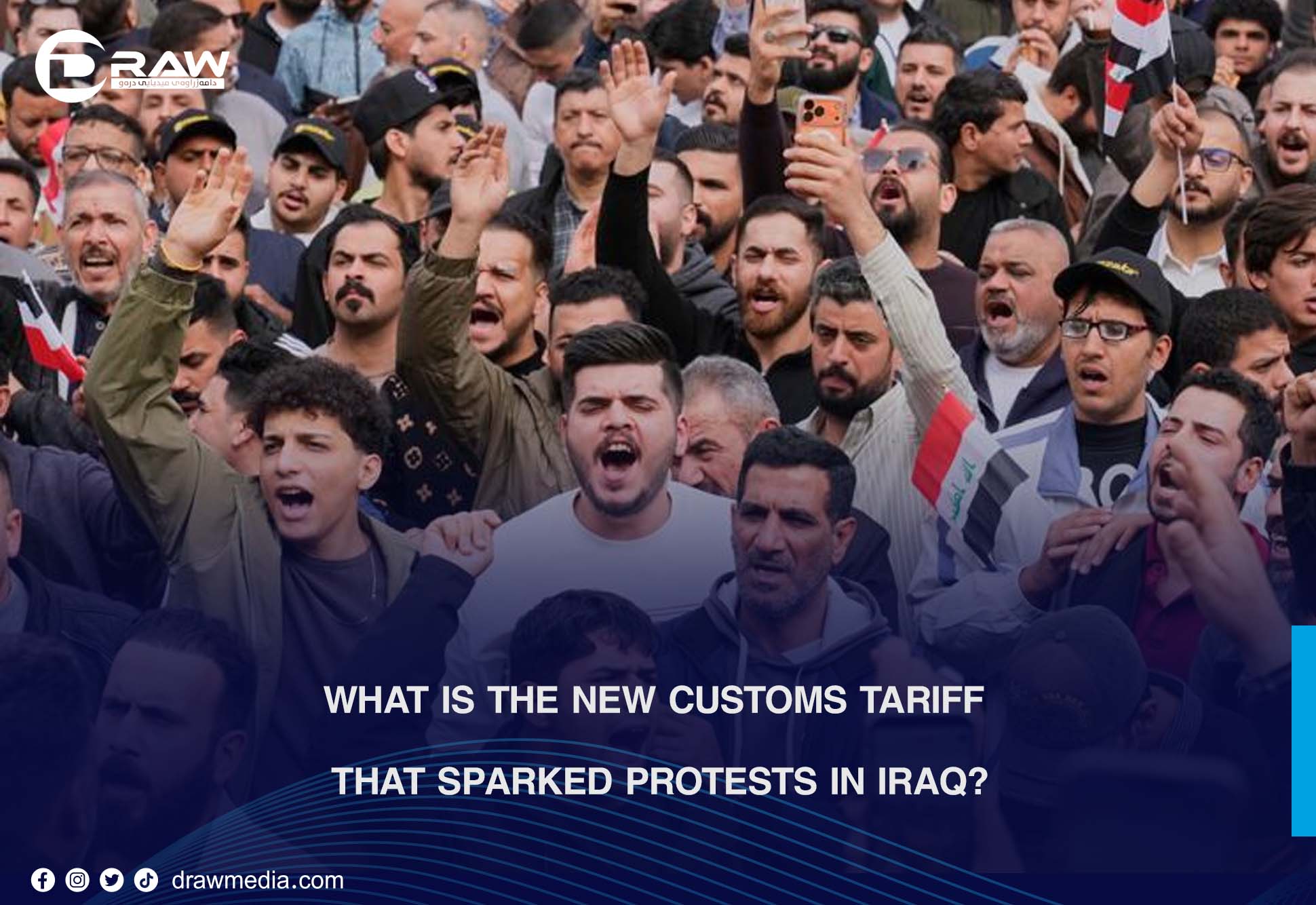
Baghdad, Basra, and several central and southern provinces witnessed protests and shop closures opposing the implementation of a new customs tariff system (ASYCUDA) at border crossings. Traders demand amending the decision, saying it harms consumers’ purchasing power.
However, economic experts argue that the reform aims to protect local production, regulate foreign trade, increase state revenues, reduce smuggling, and address long-standing economic imbalances. They say most food items are taxed at only 5%, lower than in many countries, and Iraq does not impose VAT.
Supporters view the tariff as a necessary economic reform serving national interests, despite resistance from traders benefiting from the previous system
iPhone 17 and Luxury Goods
One widely discussed example is the claim that the new customs tariff will raise mobile phone prices — including the “iPhone 17” — to an imaginary level of $1,800. However, this comparison overlooks the fact that electronic device prices vary from one country to another due to company pricing policies and taxes and customs duties applied in each country.
In many European countries, the official price of devices is already higher than in Iraq, and customs duties and Value Added Tax (VAT) are added, significantly increasing the final price. In contrast, Iraq does not impose VAT or a sales tax, making such comparisons inaccurate.
These goods are considered luxury (non-essential) items, typically purchased by middle- or high-income earners rather than by low-income citizens. Economically, it is logical to impose higher tariffs on non-essential goods while protecting essential goods that affect the daily lives of all citizens.
Experts also note that Iraq is among the few countries that do not implement VAT, while most countries — including Gulf states — rely on this tax, which is applied to the final sale price, not just imports. This creates a heavier burden on consumers in those countries than in Iraq. When calculating total customs and taxes until goods reach the end consumer, prices in Iraq remain relatively lower, undermining claims of “unprecedented price hikes.”
Consumer Protection Does Not Mean Chaotic Imports
Protecting consumers is not limited to keeping prices low; it also involves ensuring product quality, preventing markets from being flooded with substandard goods, and maintaining a balance between imports and domestic production. Uncontrolled imports in previous years weakened the national industry and turned Iraq into a purely consumer market, according to experts.
From this perspective, imposing customs duties based on the type of goods is a normal market-regulation measure, not a policy aimed at harming traders or citizens.