Draw Media
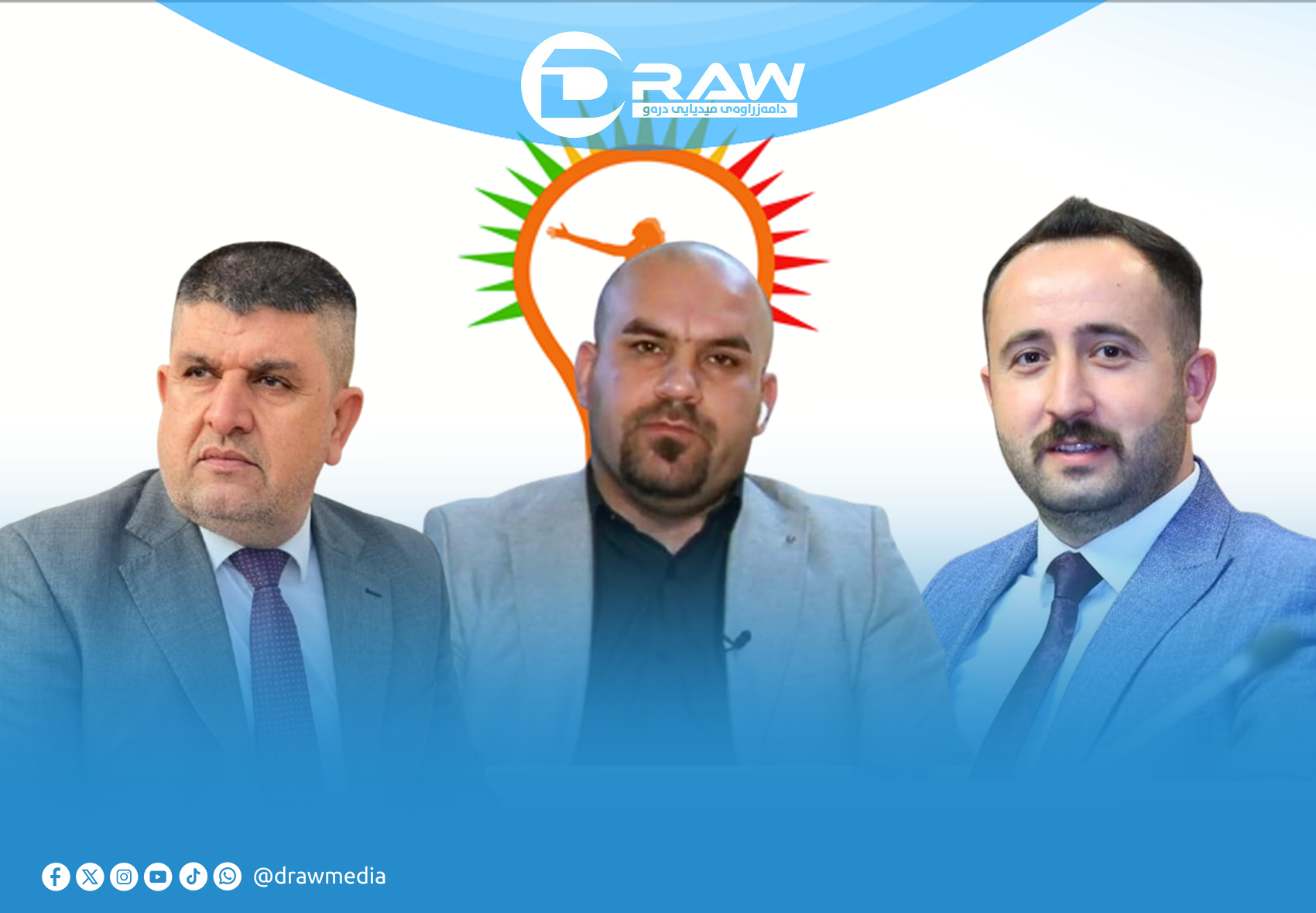
Shad Sherko
The Kurdistan Region of Iraq emerged from the aftermath of the 1991 Gulf War, when a Kurdish uprising in northern Iraq, combined with international protection, helped create the conditions for Kurdish self-rule. The region later gained constitutional recognition as an autonomous region of Iraq following the fall of Saddam Hussein in 2003.
The recent conflict involving Iran has also spilled into Iraqi Kurdistan. Iran and Iran-aligned armed groups have repeatedly targeted sites in the Kurdistan Region, while the presence of U.S. forces has made the area an important part of the wider regional security picture.
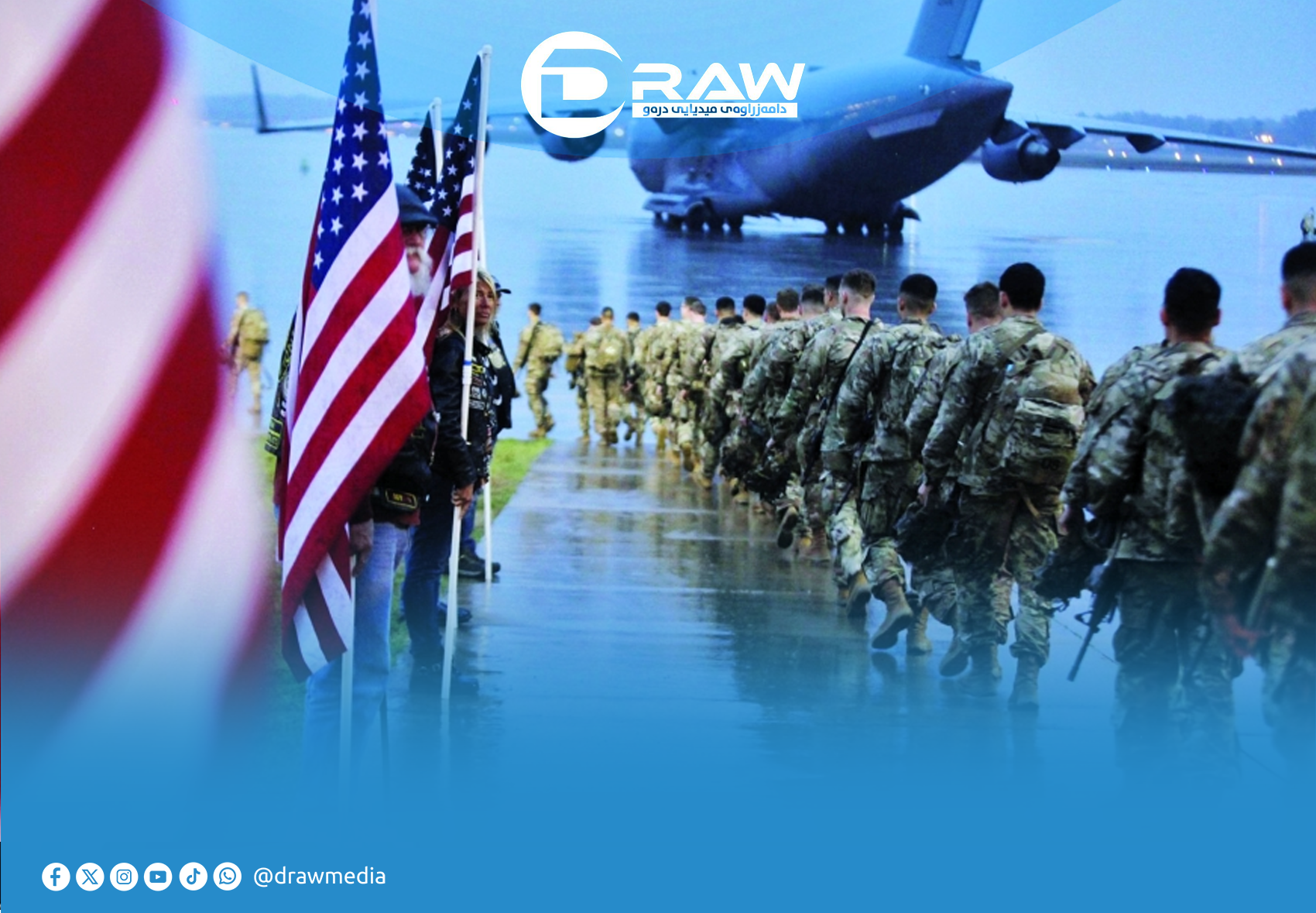
For years, the Kurdistan Region benefited from the security provided by the United States and the wider international coalition. U.S. forces and air-defense systems helped protect American and coalition personnel and facilities from repeated attacks, providing the region with an important layer of external security while coalition forces supported the campaign against ISIS.
That security environment is now changing. Under the U.S.-Iraq transition plan, the coalition mission supporting counter-ISIS operations is expected to continue until September 2026. The broader relationship was intended to shift toward a bilateral U.S.-Iraq security partnership.
As the U.S. military presence is reduced, the Kurdistan Region will increasingly have to rely on Iraqi and Kurdish security capabilities to protect its territory. This matters because the region has faced repeated attacks from Iran-aligned groups and has historically relied on the presence of U.S. forces as an important source of deterrence.
The change in the security environment comes as Baghdad's influence over the Kurdistan Region has grown since 2017. Following the Kurdish independence referendum in September of that year, Iraqi federal forces, accompanied by Iran-aligned militias, retook disputed territories that had been controlled by Kurdish forces after the Iraqi army withdrew during the ISIS offensive in 2014. The KRG consequently lost control of substantial areas it had administered since 2014.
Since then, disputes between Erbil and Baghdad have extended beyond territory and security to oil, public-sector salaries, and federal budget allocations. The KRI's economic position has become particularly vulnerable following the suspension of independent Kurdish oil exports through the Iraq-Turkey pipeline in 2023. The International Chamber of Commerce ruling that year found Turkey liable for allowing some Kurdish oil exports without Baghdad's approval, contributing to the halt in exports.
Against this backdrop, in negotiations over Iraq's 2027 federal budget, Baghdad is seeking 500,000 barrels of oil per day from the Kurdistan Region, while the KRG says it can provide approximately 265,000 barrels. Erbil is also challenging the proposed use of the term “actual expenditure” in the budget, arguing that calculating the Region's allocation according to Baghdad's actual spending could give the federal government greater influence over the amount of money the KRI ultimately receives.
These disputes illustrate how dependent the Kurdistan Region has become on agreements with Baghdad. The KRG continues to negotiate with federal authorities over its budget allocation, salaries, oil revenues, and other financial obligations. Recent negotiations over the 2027 budget have focused specifically on securing the Region's financial entitlements.
The KRI's external vulnerabilities are compounded by its internal political divisions. This October will mark two years since the Kurdistan Region's long-delayed parliamentary elections in 2024. The two dominant Kurdish parties, the Kurdistan Democratic Party (KDP) and the Patriotic Union of Kurdistan (PUK), won most of the seats and were expected to form a new government. Yet the election has still not produced a new cabinet, largely because of continued political disputes between the two parties.
The rivalry between the KDP and PUK has left the Kurdistan Region facing prolonged political uncertainty. The Kurdistan Parliament has also faced prolonged institutional disruption, while the KRG continues to operate without a new cabinet formed on the basis of the 2024 election results. As the second anniversary of the election approaches, the political deadlock raises wider questions about the strength of the Region's institutions and creates additional space for Baghdad to exert influence over Kurdish affairs.
The convergence of these pressures is significant. The region is facing a reduced U.S. military presence at the same time that Baghdad's leverage over its finances, oil exports, and disputed territories has increased. Internal divisions between the KDP and PUK further complicate Erbil's ability to present a unified position in negotiations with Baghdad.
For the Kurdistan Region, the post-U.S. period therefore presents a different strategic environment from the one that developed after 2003. The KRG retains constitutional status, its own institutions, and its security forces, but the combination of reduced external military protection, economic dependence on Baghdad, unresolved territorial disputes, and internal political division could place greater pressure on Kurdish autonomy.
The central question is not whether Kurdish self-government will disappear, but how much of the Kurdistan Region’s existing political, economic, and security autonomy it will be able to preserve as Baghdad’s influence grows and the U.S. security role diminishes. Baghdad has also observed the Syrian military’s expansion into SDF-held territories without U.S. objection, a development that underscores the risks facing Kurdish autonomy more broadly. These pressures are compounded by continued divisions between the KDP and PUK, which may create greater space for Baghdad and other regional actors to shape the Region’s future. If these divisions persist, the KRG could face increasing pressure to exercise a narrower range of powers within Iraq’s federal system, potentially reducing some of the quasi-state characteristics it has developed since 1991.
About the Author
Shad Sherko is an independent journalist and analyst specializing in Middle Eastern affairs. He studied Politics and International Relations at the University of Sulaimani and is pursuing a Master’s in Global Studies at the University of Oklahoma. He also serves as a Research Assistant at OU’s Center for Middle East Studies (CMES) and Center for Peace and Development (CPD).