* Iran is using the Kurdistan Region as a strategic pressure point to pursue multiple objectives. Through attacks on Iranian Kurdish opposition groups, economic assets, and sites linked to the United States and Western interests, Tehran seeks to raise the cost of confrontation with Washington while expanding its influence inside Iraq.
* Iranian attacks are deepening the Kurdistan Region's internal vulnerabilities by exposing the inability of its two dominant political parties to adopt a unified position. They also increase pressure on Erbil's relations with Baghdad, Tehran, and Washington, particularly amid the prolonged delay in forming a regional government.
* Baghdad and Erbil remain caught between Iranian demands and U.S. pressure, with limited room to maneuver. Tehran wants the Iraq-Iran security agreement expanded to include the expulsion or dismantling of Iranian Kurdish opposition groups, while Baghdad struggles to control armed militias or fully uphold Iraqi sovereignty.
* The security crisis is expected to persist. Iran is unlikely to scale back its operations, while the possibility of greater U.S. involvement or expanded militia activity remains. This raises the risk of the Kurdistan Region becoming a prolonged arena for regional power competition.
Following a renewed escalation in U.S.-Iran tensions in July 2026, after implementation of a bilateral memorandum of understanding stalled the previous month, Iraq's Kurdistan Region once again emerged as a key arena in Iran's broader regional strategy.
According to the study, Tehran is pursuing a strategy of widening regional confrontations by targeting neighboring territories while simultaneously exploiting instability to weaken Iranian Kurdish opposition groups, many of which maintain bases inside the Kurdistan Region.
The report examines Iran's objectives behind its continued attacks on cities in the Kurdistan Region and evaluates their impact on both the Region's internal situation and Iraq's broader political and security landscape.
Iran's Campaign: Multiple Forms of Attack
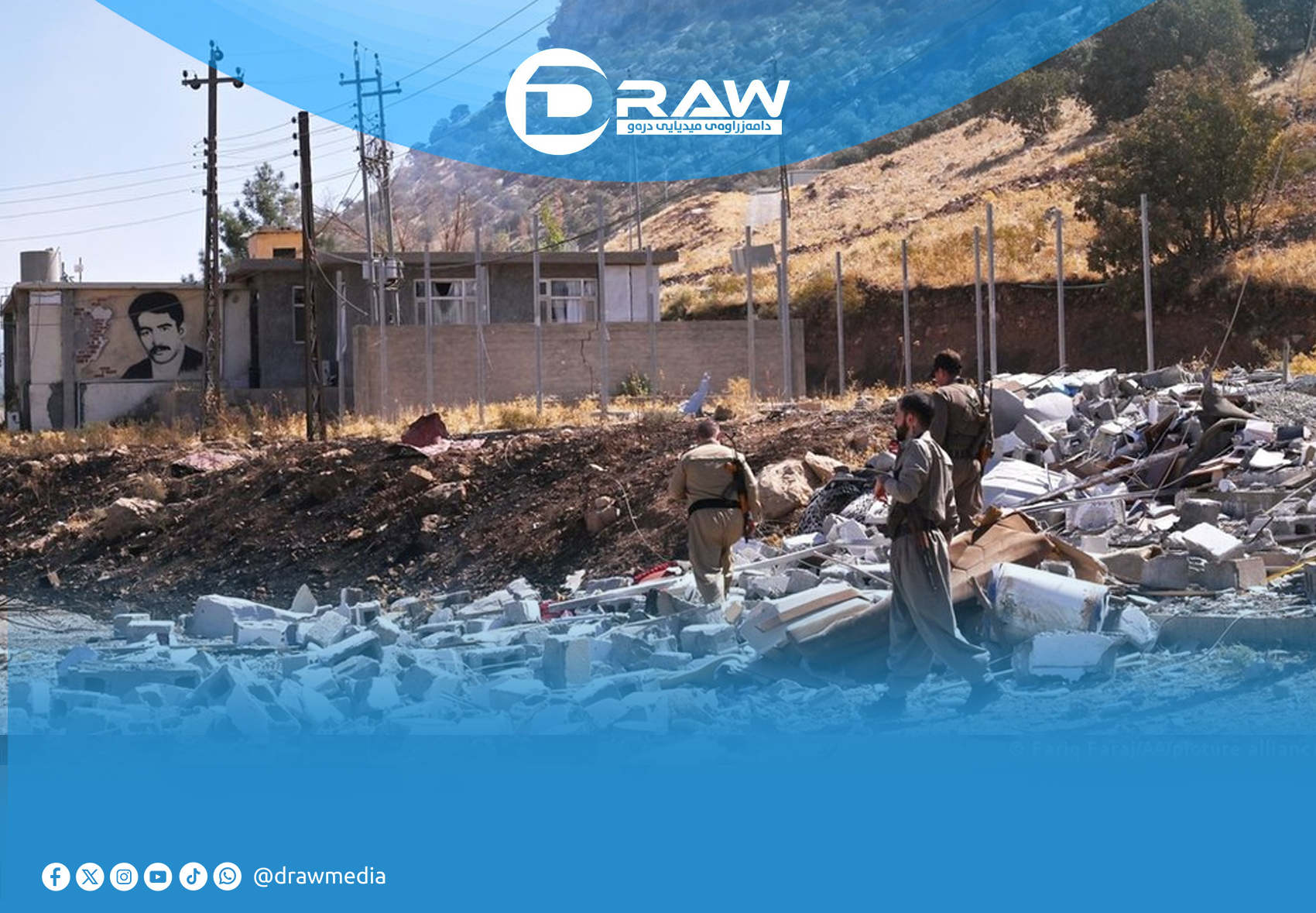
As military tensions between Iran and the United States intensified in July, Iran launched strikes against bases belonging to several Iranian Kurdish opposition parties in the Kurdistan Region, including the Kurdistan Democratic Party of Iran (KDPI), Komala, and the Kurdistan Freedom Party (PAK). According to a joint statement issued by an alliance representing six Iranian Kurdish opposition parties, the attacks killed and wounded several members. The alliance accused Tehran of escalating terrorist operations and aerial and ground assaults in an effort to conceal its domestic setbacks.
One of the deadliest attacks occurred on 17 July 2026, when an Iranian ballistic missile struck a Komala headquarters in Zargwezalla village near Sulaymaniyah. Nine members of the group, including a field commander, were killed, and much of the facility was destroyed. The strike prompted strong condemnation from the Patriotic Union of Kurdistan (PUK), led by Bafel Talabani, whose party controls Sulaymaniyah and has traditionally maintained relatively close relations with Iran.
At the same time, the Kurdistan Regional Government announced that its forces had intercepted several drones launched from inside Iraq by Iran-backed militias targeting sites in Erbil. The KRG called on Baghdad and the international community to take action to prevent further attacks.
Three Main Categories of Iranian Attacks
The report classifies Iran's operations against the Kurdistan Region into three broad categories:
Attacks on U.S. and Western-linked targets, including diplomatic missions and local figures accused by Tehran of cooperating with Israel, such as the missile strike on the residence of a Kurdish businessman in early 2024.
Attacks on economic infrastructure, particularly strategic energy facilities such as the Khor Mor gas field, which has repeatedly come under attack in recent years.
Attacks targeting Iranian Kurdish opposition groups, including strikes on their headquarters, military camps, and senior members inside the Kurdistan Region.
Iran has employed a variety of methods, including direct missile strikes, drones launched by Iran-backed Iraqi militias, and operations conducted by Iranian special units operating inside the Kurdistan Region.
Why Iran Is Expanding Its Operations
The report identifies several factors driving Tehran's expanding military campaign:
Keeping regional tensions under control while maintaining pressure through relatively low-cost operations that avoid direct escalation with the United States.
Treating Iranian Kurdish opposition groups based near the border as a continuing threat to Iran's national security, despite their limited military activity inside Iran during the recent conflict.
Pressuring Baghdad to fully implement security commitments regarding Kurdish opposition groups, while signaling dissatisfaction with Iraq's handling of armed militias ahead of the planned U.S. withdrawal from Harir Air Base.
Maintaining leverage over both the Kurdistan Democratic Party (KDP) and the Patriotic Union of Kurdistan (PUK) by influencing their regional alliances and political calculations.
Supporting a broader psychological campaign through media reports suggesting possible Iranian ground operations inside the Kurdistan Region to pursue opposition groups.
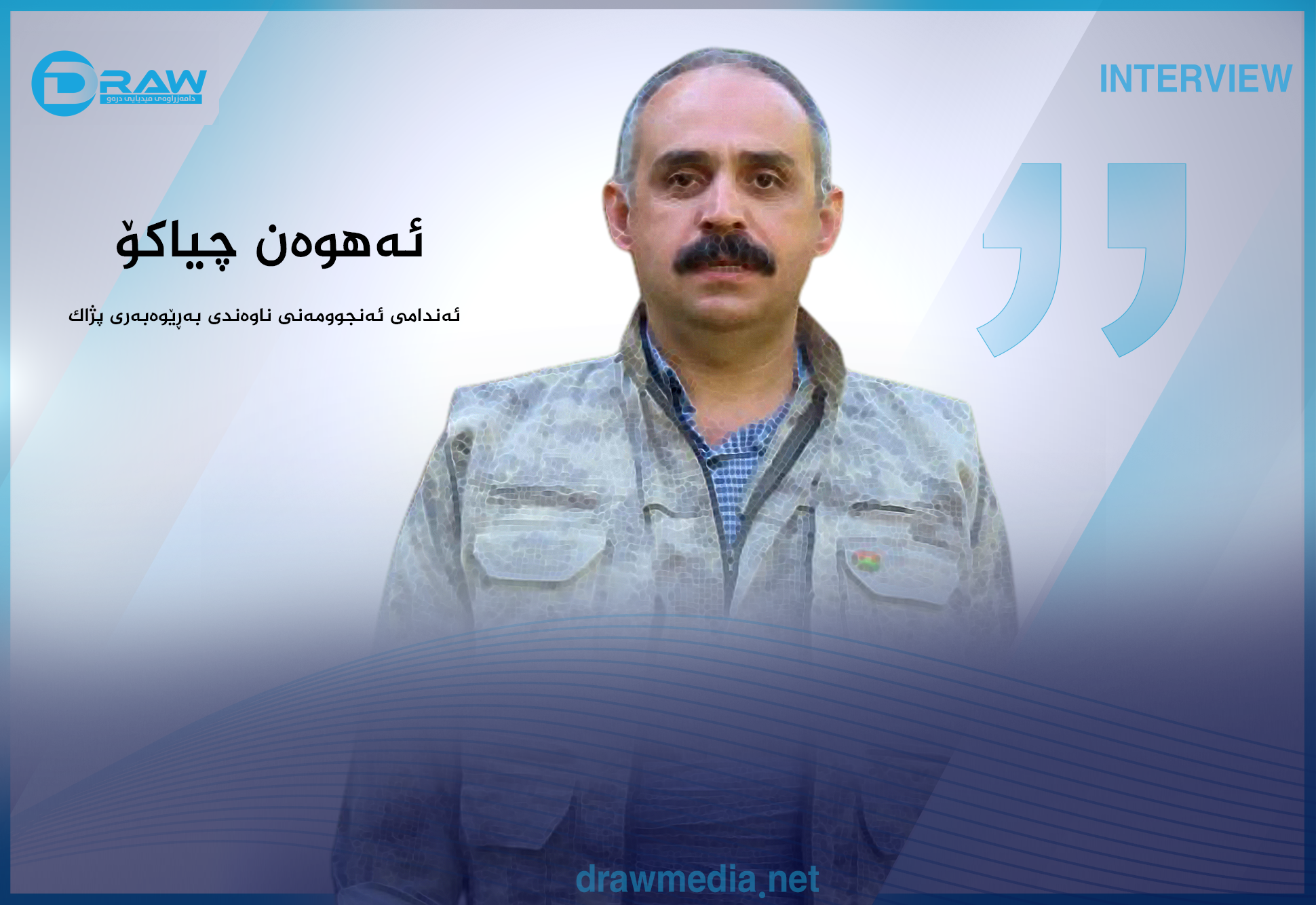
The report also notes that PJAK (Party for a Free Life in Kurdistan) has largely avoided direct Iranian targeting. It suggests this may reflect either an informal understanding between Tehran and the PKK leadership or PJAK's current efforts to avoid becoming involved in the wider U.S.-Iran confrontation while preserving its arrangements with Turkey. These explanations are presented in the source as possible interpretations rather than established facts.
Implications for the Kurdistan Region
The Iranian attacks coincided with signs of a decline in the traditional level of coordination between Tehran and the Patriotic Union of Kurdistan (PUK), led by Bafel Talabani. Ideologically and organizationally, the PUK has historically maintained its closest ties with the Iranian Kurdish opposition group Komala. This was reflected in the targeting of positions associated with the Kurdistan Peshmerga forces in Sulaymaniyah province. In response, Talabani described the attacks as a violation of Iraq's sovereignty, stressing that "restraint must not be interpreted as weakness or incapacity."
It is evident that the political landscape in the Kurdistan Region, particularly since 2022, has become increasingly shaped by deepening political divisions between its two main Kurdish parties. These divisions extend beyond alliances in Baghdad to encompass their respective regional and international partnerships.
The Kurdistan Democratic Party (KDP), led by Masoud Barzani, maintains control over the Kurdistan Regional Government's institutions through a caretaker administration that has remained in office for more than two years. The party has strengthened its relations with Sunni political forces, the Sadrist Movement, and several civil political actors in Baghdad, while also cultivating close ties with Arab states, Turkey, and the United States.
Meanwhile, the PUK has sought to strengthen its position within the Kurdistan Region by relying on alliances with representatives of certain armed factions and Iran-aligned Shiite forces. It has also depended on Tehran to maintain a strategic balance in its complex relationship with Turkey, while simultaneously preserving balanced relations with the United States. This approach has enabled the PUK to maintain its longstanding connections with the PKK in Turkey and the Iranian Kurdish groups PJAK and Komala.
Recent Iranian strikes on areas under PUK control could gradually push the party further away from its traditional alliance with Tehran, potentially encouraging closer coordination with the KDP to confront emerging challenges. However, the PUK continues to seek to preserve its previous strategic balance and avoid direct confrontation with Iranian influence in the Kurdish political arena.
Possible Scenarios for Escalating Iran's Posture Toward the Kurdistan Region
Based on the report's analysis, three overlapping scenarios could shape the future of Iran's security posture toward Iraq's Kurdistan Region.
Scenario One: Continued Iranian Escalation and Expanded Influence
Iran is likely to continue intensifying its operations while portraying its attacks as counterterrorism measures against Iranian Kurdish opposition groups rather than as part of its broader confrontation with the United States. Through this approach, Tehran seeks to weaken the opposition's capabilities both inside and outside Iran, pressure the Kurdistan Region politically, and shape its external relationships.
Under this scenario, both Baghdad and Erbil could face increasing pressure to broaden implementation of the Iraq-Iran security agreement by tightening restrictions on Iranian Kurdish opposition parties, dismantling their bases, and relocating or expelling their members to prevent Iraq from becoming the site of a wider regional confrontation.
Scenario Two: Greater U.S. Protection for Iranian Kurdish Opposition Groups
A second possibility is increased U.S. involvement in protecting Iranian Kurdish opposition groups while linking their future to broader negotiations with Tehran. Although Washington has repeatedly stated that it does not seek to involve these groups in military operations against Iran, the report argues this does not necessarily mean there is no coordination or communication, either directly or through Iraqi Kurdish parties.
The report suggests that the United States would be unlikely to accept efforts by Iran to eliminate these groups through expanded airstrikes or potential ground operations. Instead, Washington could increase political and military support, oppose further expansion of the Iraq-Iran security agreement, and coordinate with Turkey to establish a framework for managing relations between Iranian Kurdish parties targeted by Tehran and PJAK, the group affiliated with the PKK.
The report also notes that Iranian Kurdish opposition groups continue to maintain organizational structures and social networks in Iran's Kurdish regions despite their limited military capabilities. Tehran therefore remains concerned that intensified operations against them could trigger unrest in Kurdish areas inside Iran.
Scenario Three: A Deeper Iraqi Sovereignty Crisis
The third scenario envisions a further deterioration of Iraq's sovereignty as Iranian attacks continue against the Kurdistan Region. Persistent strikes would increase pressure on both Baghdad and Erbil while highlighting Iraq's inability to prevent repeated violations of its territory. The situation could become even more complicated if Iran-backed Iraqi militias expand their own operations.
According to the report, Baghdad faces a dual challenge: it has been unable to fully restrain armed militias while also struggling to satisfy Iranian demands regarding Kurdish opposition groups, many of which could relocate to remote mountainous areas beyond effective government control.
Meanwhile, the Kurdistan Regional Government also faces difficult choices. While it bears the political and security costs of hosting Iranian Kurdish opposition groups, it is also constrained by domestic Kurdish public opinion and U.S. pressure, limiting its ability to abandon those groups completely.
Conclusions
The report concludes that Iran is systematically deepening Iraq's internal crises by repeatedly targeting cities in the Kurdistan Region. Whether justified as operations against Iranian Kurdish opposition groups, attacks on alleged U.S.-linked facilities, or other security claims, the strikes serve Tehran's broader objective of reinforcing its geopolitical influence in Iraq amid its confrontation with the United States.
The study argues that both Baghdad and Erbil have limited room for maneuver, as they face overlapping external pressures that make it difficult to pursue a balanced policy. It predicts that Iran is unlikely to halt its attacks on the Kurdistan Region under current conditions.
The report also highlights the continued role of Iran-backed Iraqi militias, which have resisted disarmament and have expanded attacks beyond Iraq, including drone operations targeting Saudi oil facilities. According to the study, these developments illustrate how Iraq remains vulnerable to Iranian regional strategy, with continuing implications for Iraqi sovereignty and state authority.
Source:
The analysis is based on a study published by the Emirates Policy Center (EPC), titled "Iran's Escalation in Iraq's Kurdistan Region: Patterns, Impacts, and Possible Scenarios," prepared by the Iraq Studies Unit and published on 30 July 2026.