هەواڵ
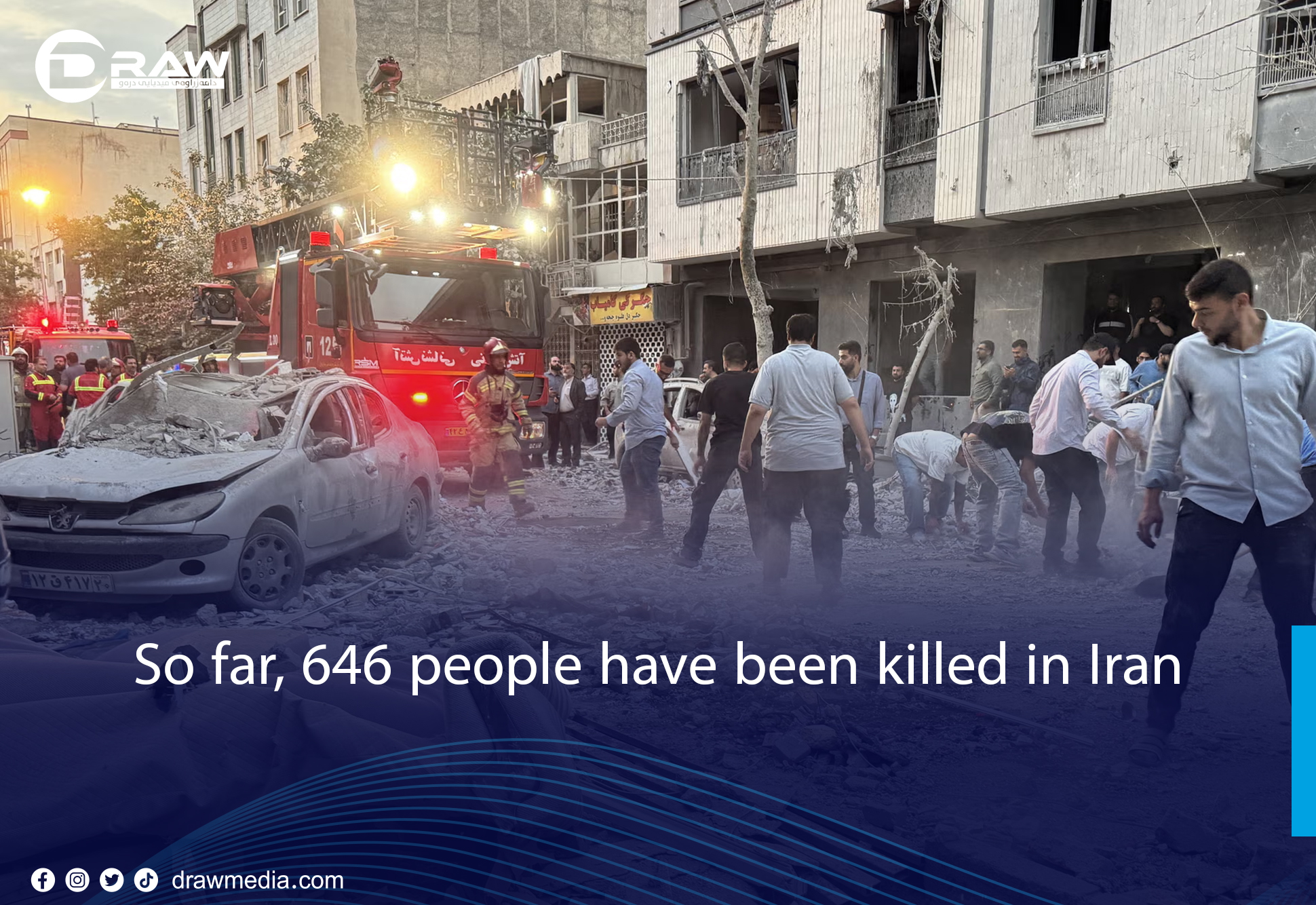
So far, 646 people have been killed in Iran
بڵاوکراوەتەوە لە : 20 حوزەیران 2025
قەبارەی دەقەکان
قەبارەی دەقەکان
هەواڵ
بڵاوکراوەتەوە لە : 20 حوزەیران 2025
قەبارەی دەقەکان
قەبارەی دەقەکان
According to a special report by the Hengaw Organization for Human Rights, in the past seven days of the ongoing war between Iran and Israel, 646 people have been killed. Among them, 560 were members of Iran’s military and security forces, and 86 were civilians, including 35 women and 21 children.
Based on credible and verified on-the-ground sources across Iran, Hengaw confirms that during the first seven days of direct conflict between the Islamic Republic of Iran and Israel, at least 646 people have lost their lives. Of this number, 86 were civilians, while 560 were from military, security, and affiliated institutions, particularly linked to the IRGC (Islamic Revolutionary Guard Corps) and associated military networks.
Hengaw also verified the deaths of at least 35 women and 21 children among the civilian casualties. Over 85% of these civilian deaths were recorded in Tehran province.
According to the statistical center of Hengaw, at least 86 civilians were killed due to Israeli strikes, with the identities of 83 already confirmed. These included 35 women and 21 children. Notably, one of the victims was a citizen of Afghanistan.
Additionally, Hengaw reports that at least 26 of the civilian victims belonged to families of high-ranking members and cadres of the IRGC.
Tehran Province: 73 cases
Isfahan Province: 5 cases
Hamedan Province: 4 cases
Kermanshah Province: 2 cases
East Azerbaijan Province: 2 cases
Hengaw confirms that at least 21 children were killed in Israeli airstrikes targeting Tehran and Isfahan provinces. These included 11 girls and 10 boys, with the youngest victims being 2 and 7 months old, and the oldest being 17 years old.
Identified child victims include:
Rayan Qasemian – 2 months
Zahra Zakarian Amiri – 7 months
Amir Ali Amini – 12 years
Parham Abbasi – 15 years
Fatemeh Zakarian Amiri – 5 years
Baran Ashrafi – under 15 years
Mahya Nikzad – 7 years
Soheil Katouli – 11 years
Eima Zeynali – 7 years
Hida Zeynali – 4 years
Motahhareh Niyazmand – 6 years
Ali Niyazmand – 10 years
Fatemeh Niyazmand – 12 years
Mohammadreza Sedighi Saber – 17 years
Matin Safaeiyan – 16 years
Zahra Barzegari – 3 years
Tara Hajimiri – 8 years
Mojtaba Sharifi – 7 years
Fatemeh Sharifi – 11 years
Seyed Ali Sadati – 6 years
Reyhaneh Sadat Sadati – 12 years
As of the time of this report, the identities of 35 women killed have been confirmed by Hengaw, all in Tehran and Isfahan provinces. Among them were Fatemeh Bagheri and Elham Farahmand, both members of the IRGC, while the remaining 33 were civilians.
Starting in the early hours of Friday, June 13, 2025, coinciding with the beginning of direct Israeli air and missile attacks on Iran, the number of military casualties surged dramatically. Hengaw's verified sources confirm that at least 560 members of the army, IRGC, law enforcement, Basij, nuclear scientists, and technical staff affiliated with security organizations have been killed.
So far, 211 identities of these military personnel have been publicly confirmed by Hengaw. The highest military death tolls have been reported in the provinces of Tehran, East Azerbaijan, Kermanshah, Qom, and Isfahan.
Tehran Province: 235 cases
East Azerbaijan Province: 63 cases
Kermanshah Province: 50 cases
Qom Province: 40 cases
Lorestan Province: 35 cases
Isfahan Province: 40 cases
Urmia Province: 20 cases
Alborz Province: 20 cases
Zanjan Province: 15 cases
Hamedan Province: 12 cases
Khuzestan Province: 9 cases
Sanandaj Province: 5 cases
Markazi Province: 10 cases
Fars Province: 6 cases
In Tehran Province, the main target of Israel’s military campaign, at least 235 military personnel were killed. Among them, 61 identities have been confirmed, including 10 senior IRGC commanders, 11 nuclear scientists, and 2 government-affiliated appointees linked to the IRGC.
Hengaw Human Rights Organization strongly condemns the targeting and killing of civilians and the escalation of violence between Iran and Israel. It calls upon the international community and human rights organizations to prioritize the urgent humanitarian situation in Iran and take concrete measures to protect civilians — particularly women and children — during this ongoing conflict.