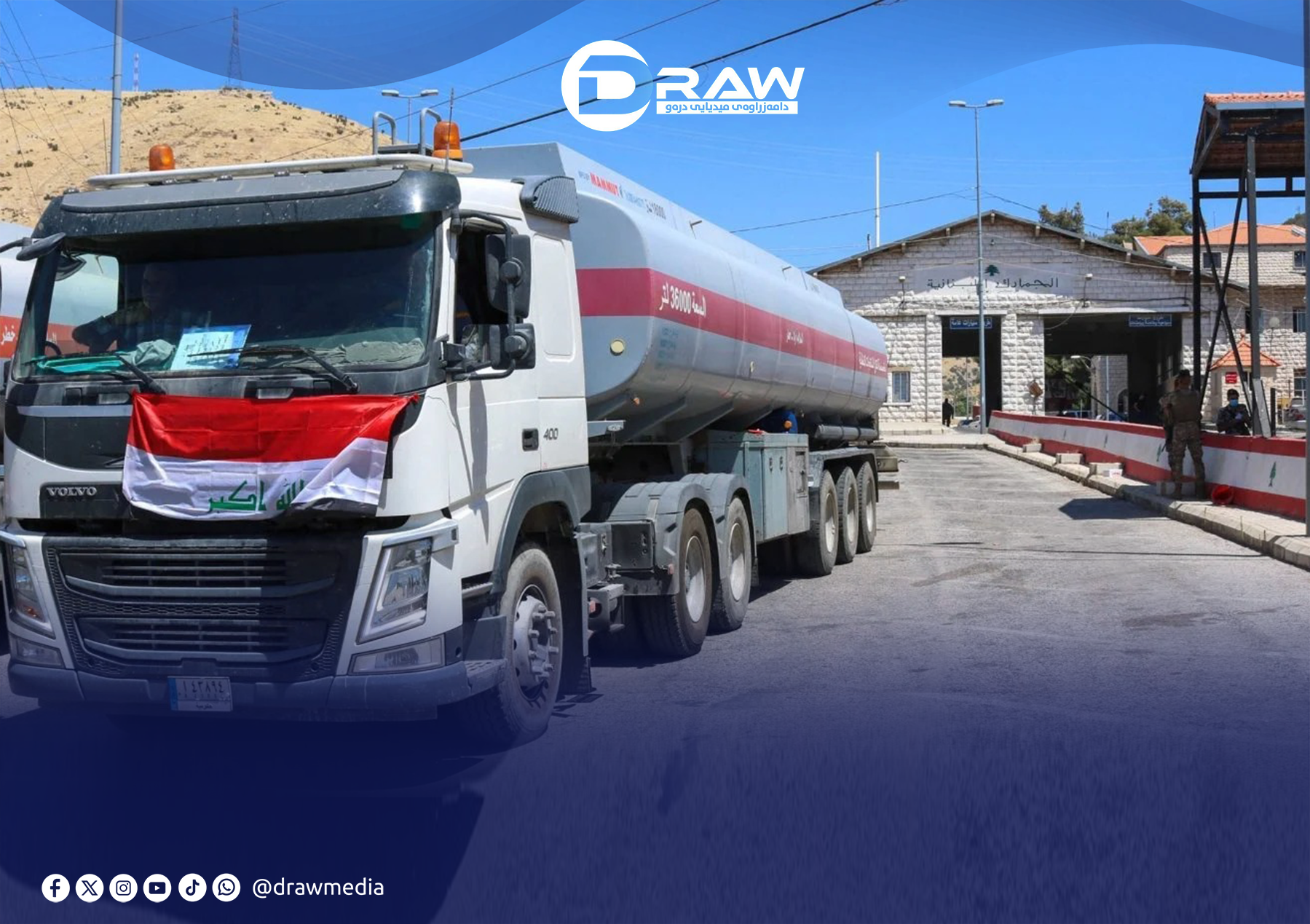
According to informed sources speaking to the “Energy Platform” (based in Washington), initial shipment volumes are estimated at 10,000 to 15,000 barrels per day. The operation is being carried out under precise logistical arrangements to ensure safe transport and compliance with approved technical standards for crude oil transfer.
Prior to this step, in the second half of 2025, Iraq was studying the possibility of exporting oil to Syria and Lebanon via pipelines. This is part of Iraq’s broader plan to expand export channels, alongside efforts to increase production capacity to 6 million barrels per day by 2029.
So far, neither Iraq’s Ministry of Oil nor the State Organization for Marketing of Oil (SOMO), nor Syria’s oil company and Ministry of Energy, have issued official statements, while experts continue to closely monitor developments.
Does Syria Import Oil from Iraq?
The question of Syria importing oil from Iraq has long been raised, especially regarding Damascus’s energy supply sources following the fall of Bashar al-Assad’s regime. Historically, Syria did not import oil from Iraq, despite multiple announced plans by both countries.
However, on March 31, 2026, Iraq officially began exporting oil to Syria via tanker trucks. This reflects both countries’ intention to strengthen cooperation in the energy sector and exchange expertise in joint oil and gas projects.
Earlier, in August 2025, Iraq’s Oil Minister Hayyan Abdul Ghani received Syria’s Energy Minister Mohammed al-Bashir in Baghdad to discuss reactivating joint projects and reviving the Kirkuk–Baniyas pipeline, which could play a key role in transporting Iraqi oil to Syria.
The minister emphasized that Iraq is working to expand its export capacity while resuming exports through southern routes and exploring alternative projects such as new pipelines to Syria and Lebanon to ensure flexibility and continuity.
Alternatives to the Strait of Hormuz
According to the Energy Platform, Baghdad has developed a plan to export oil by land to three neighboring countries—Turkey, Syria, and Jordan—as compensation for losses caused by disruptions in maritime traffic through the Strait of Hormuz due to regional tensions and threats to shipping.
Previously, Iraq relied heavily on the Strait of Hormuz for most of its oil exports, along with limited volumes through the Kirkuk–Ceyhan pipeline to Turkey. This has made the search for land-based alternatives a strategic necessity.
Iraq is currently studying the possibility of exporting around 200,000 barrels per day via tanker trucks as a temporary alternative, while maintaining traditional sea routes to reduce economic pressure.
Decline in Production and Strategic Shift
Iraq’s oil production has dropped to around 1.4 million barrels per day, compared to more than 4 million barrels before recent conflicts. This sharp decline has increased the need for alternative export routes.
The Ministry of Oil stated it is carefully managing the current phase while ensuring domestic supply and continuing export plans to secure steady oil flows. Refineries are operating at full capacity to meet internal demand, while land transport options are being used as a flexible solution to overcome export constraints and maintain energy security.