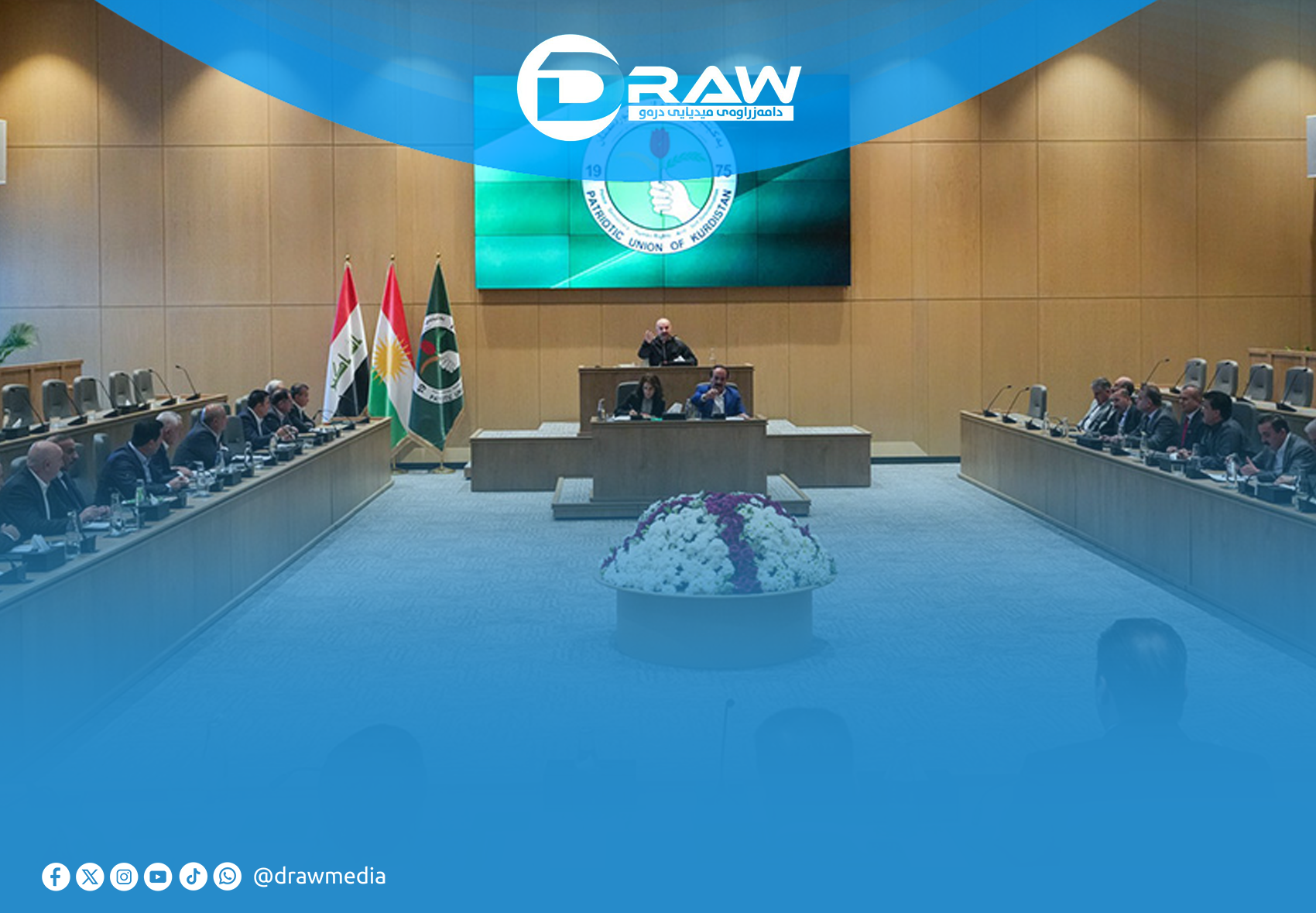
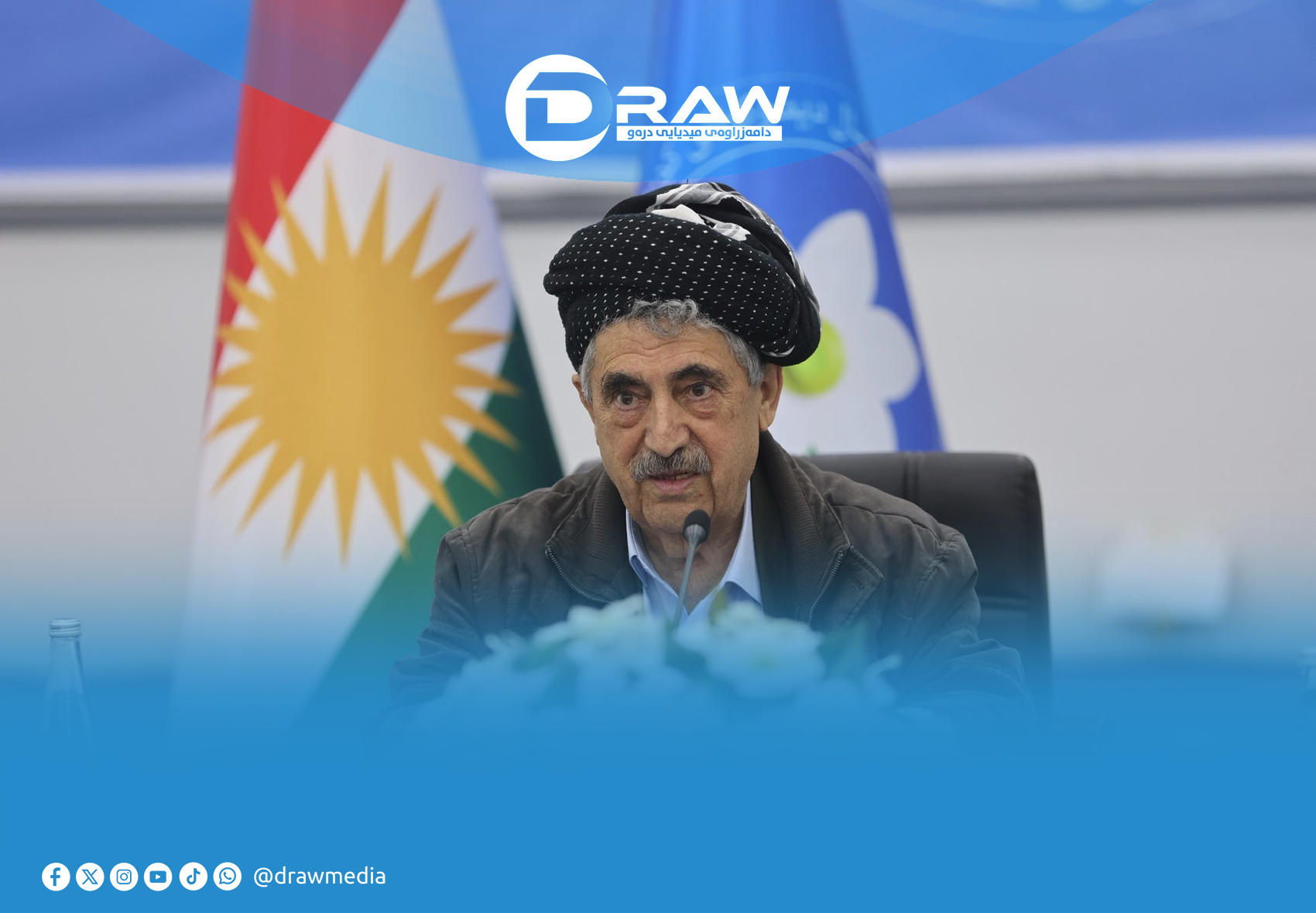
According to Darw information, the meeting will focus on several critical issues, including the possibility of boycotting the Kurdistan Regional Government, refusing to join the upcoming tenth cabinet, pursuing greater administrative autonomy, strengthening ties with Baghdad, and reopening serious negotiations with the KDP.
The discussions come after the KDP moved forward with the election of the Kurdistan Parliament's leadership without the PUK's meaningful participation. The development has reportedly surprised PUK officials and raised concerns within the party about the possibility of being politically sidelined.
The KDP's actions have also demonstrated that it may be capable of proceeding with the election of the Kurdistan Region's president and the formation of the next government without reaching an agreement with the PUK.
Possible boycott of the government
One of the main issues facing the PUK leadership is whether to continue participating in the current government or instruct its ministers and officials to suspend their involvement.
A withdrawal of PUK ministers would not necessarily bring down the existing government, as the remaining parties would still retain a parliamentary majority to continue governing until the tenth cabinet is approved.
The party will also consider whether joining the next cabinet is politically worthwhile, particularly given the possibility that the government may remain in office for less than 18 months.
The PUK's previous experiences in 2014 and 2018, when the KDP reached agreements with the Gorran Movement before the PUK eventually joined the government, may influence its decision.
Governing independently or pursuing a dual-administration model
Another option reportedly under consideration is for the PUK to stay out of the next government while maintaining control over the administrative institutions in areas under its influence.
This raises questions about whether the party could operate effectively outside the regional government after being deeply involved in its institutions for more than three decades.
The leadership is also expected to examine the possibility of establishing a dual-administration arrangement.
One proposal would resemble the system that existed before 2005, when the PUK maintained a separate administration in Sulaymaniyah. Another would retain a single regional government and parliament in Erbil while granting the PUK extensive authority over its own areas, in a model loosely compared to the United Arab Emirates.
A stronger political shift toward Baghdad
The possibility of reducing or completely severing political relations with the KDP and the Kurdistan Regional Government, while redirecting the PUK's political focus toward Baghdad, is another major issue.
One proposal reportedly involves establishing a separate region comprising Sulaymaniyah, Kirkuk and Halabja. Although such an initiative might receive political support from some Iraqi parties, its constitutional and legal implications would present significant challenges.
The PUK may also consider using economic issues, particularly natural gas, as leverage in its dealings with the KDP. The party has already taken steps toward greater coordination with Baghdad on the gas file.
In addition, ending security, intelligence and military coordination with Erbil and replacing it with closer cooperation with Baghdad is reportedly among the options being examined.
Negotiations with the KDP remain an option
Despite the escalating tensions, the possibility of renewed negotiations with the KDP has not been ruled out.
Some PUK leaders may consider the parliamentary developments an indication that the time has come for serious discussions aimed at establishing a more balanced and genuine political partnership.
Reports cited by Darw suggest that several KDP officials have maintained contact with the PUK over the past two days, warning against decisions that could lead to an irreversible political split and eliminate opportunities for future dialogue.
Parliamentary attendance raises further questions
The latest parliamentary session, attended by 52 lawmakers, resulted in the election of the parliament's speaker, deputy speaker and secretary.
According to the report, the newly elected parliamentary leadership may take procedural measures against MPs who repeatedly fail to attend sessions.
The attendance figures were reported as follows: 52 MPs participated, three have not yet taken their parliamentary oath, and 45 were absent.
The participation of MPs from the PUK, New Generation and other political groups in upcoming sessions could therefore become another important factor in the evolving political situation.
A critical decision for the PUK
Today's meeting could prove significant for the PUK's future political direction. The leadership must weigh the risks of withdrawing from government against the potential benefits of securing greater autonomy, strengthening its relationship with Baghdad, or negotiating a new political agreement with the KDP.
Ultimately, the central question is whether the PUK will choose confrontation and political separation or seek a renewed partnership with the KDP under different terms.