
ڕاپۆرت
KRG Fails to Control Fuel Prices
Despite government promises, gasoline prices have risen by nearly 30% since July 28
بڵاوکراوەتەوە لە : 10 ئاب 2026
قەبارەی دەقەکان
قەبارەی دەقەکان
ڕاپۆرت
Despite government promises, gasoline prices have risen by nearly 30% since July 28
بڵاوکراوەتەوە لە : 10 ئاب 2026
قەبارەی دەقەکان
قەبارەی دەقەکان
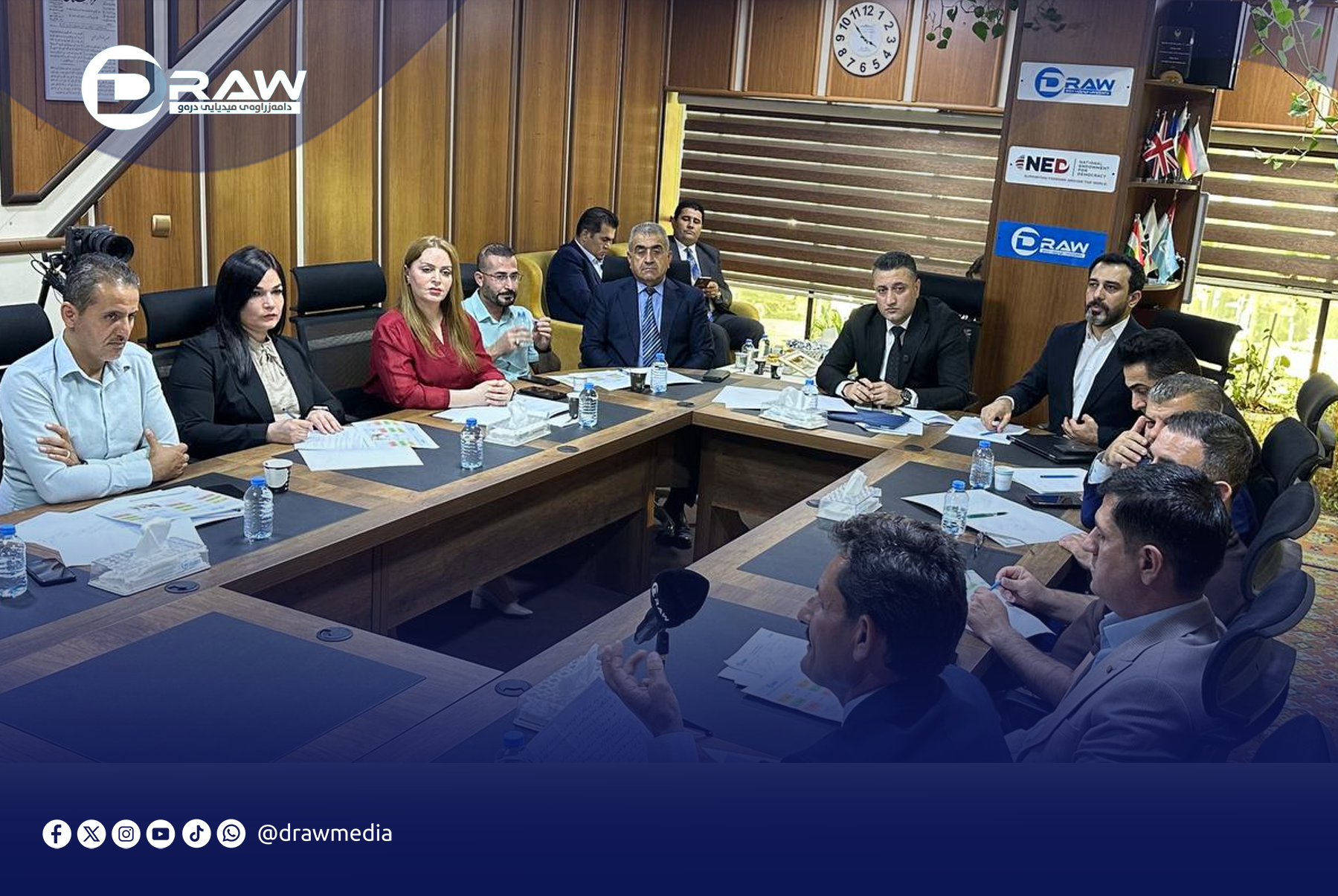
Follow-up Report: STOP Organization
The gasoline crisis in the Kurdistan Region, between government promises and the realities of the free market, was examined by the STOP Organization for Monitoring and Development during the period from June 6 to August 8, 2026.
Fuel prices, one of the key factors affecting citizens’ livelihoods in the Kurdistan Region, have experienced rapid inflation and significant instability over the past two months. The report highlights the failure of government efforts to control prices and the unintended consequences of its decisions.
1. Initial Price Surge — June 6 to July 19, 2026
Before the government’s decisions at the end of July, the gasoline market showed worrying signs:
June 6: The price of regular gasoline in Erbil rose from 900 IQD to 1,175 IQD per liter.
June 7: In Sulaymaniyah, prices increased to 1,050 IQD per liter.
This period was characterized by successive and daily price increases, while the government remained largely silent, placing significant pressure on the transportation sector.
2. Government Attempts to Control Prices — July 20–27, 2026
On July 20, the Ministry of Natural Resources issued its first strict decision to impose fixed prices:
Regular: 850 IQD
Improved: 1,000 IQD
Super: 1,200 IQD
The decision was not implemented in Sulaymaniyah, Halabja, or their surrounding administrative areas. It also failed in Erbil and Duhok, as import companies and traders refused to supply gasoline at those prices, citing losses.
The result was a gasoline shortage and the closure of a large number of fuel stations.
3. Decisions of July 27–28 — Moving to a Free Market
Following the failure of the July 20 decision, the Kurdistan Regional Government issued two separate decisions:
On July 27, the Council of Ministers decided to increase the allocation of government-supplied gasoline priced at 750 IQD to fuel stations in order to reduce pressure, while monitoring prices and adjusting them according to daily market rates.
On July 28, the Ministry of Natural Resources reaffirmed the Council of Ministers’ decisions and announced the liberalization of the fuel market. Prices were officially increased and generally settled at approximately:
Regular: 1,115 IQD
Improved: 1,400 IQD
Super: 1,600 IQD
4. Inflation and Market Instability — August 8
On August 8, prices surged despite government promises to monitor the market, reaching unprecedented levels:
Regular gasoline: up to 1,500 IQD
Improved gasoline: 1,850–2,000 IQD
Super gasoline: 2,500 IQD
Observations and Criticism of Fuel-Crisis Management
1. Discrepancy between fuel prices and global oil prices:
While global oil prices declined by approximately 10%, gasoline prices in the Kurdistan Region increased by more than 30%, indicating a lack of correlation between actual costs and retail prices.
2. The electronic card system has failed to provide a solution:
The system provides 40 liters of gasoline at 750 IQD per liter once every 11 days, but this meets only around 20% of drivers’ daily requirements. Drivers are therefore forced to rely on the free market, where prices are roughly twice as high.
3. Contradictory government decisions:
The shift from strict price controls on July 20 to complete market liberalization on July 28 indicates the absence of a clear strategy within the Ministry of Natural Resources for dealing with fuel traders.
4. Price differences between cities:
Erbil and Duhok recorded the highest prices, with Super gasoline exceeding 2,000 IQD, while prices in Sulaymaniyah and Halabja were somewhat lower.
5. Failure to control fuel prices:
The Kurdistan Regional Government has failed to regulate and control fuel prices as promised. No clear measures have been taken to resolve the crisis. Immediate steps are needed to control prices, increase market supply, and ban the export of gasoline until the crisis is resolved.
6. Implementing the Iraqi Oil Minister’s recommendation:
The report recommends implementing the Iraqi Oil Minister’s proposal by recovering the 50,000 barrels of oil in exchange for providing gasoline supplies to the Kurdistan Region.