هەواڵ
ڕاپۆرت
Iran: 1,500 Killed, Including 200 Civilians and 1,300 Soldiers
Iran: 1,500 Killed, Including 200 Civilians and 1,300 Soldiers
بڵاوکراوەتەوە لە : 3 ئازار 2026
قەبارەی دەقەکان
قەبارەی دەقەکان

سندوقی نیشتمانی ئەمریکا بۆ دیموکراسی پاڵپشتی دارایی درەو دەکات

هەواڵ
ڕاپۆرت
Iran: 1,500 Killed, Including 200 Civilians and 1,300 Soldiers
بڵاوکراوەتەوە لە : 3 ئازار 2026
قەبارەی دەقەکان
قەبارەی دەقەکان
Draw Media
Report by the Hengaw Organization for Human Rights:
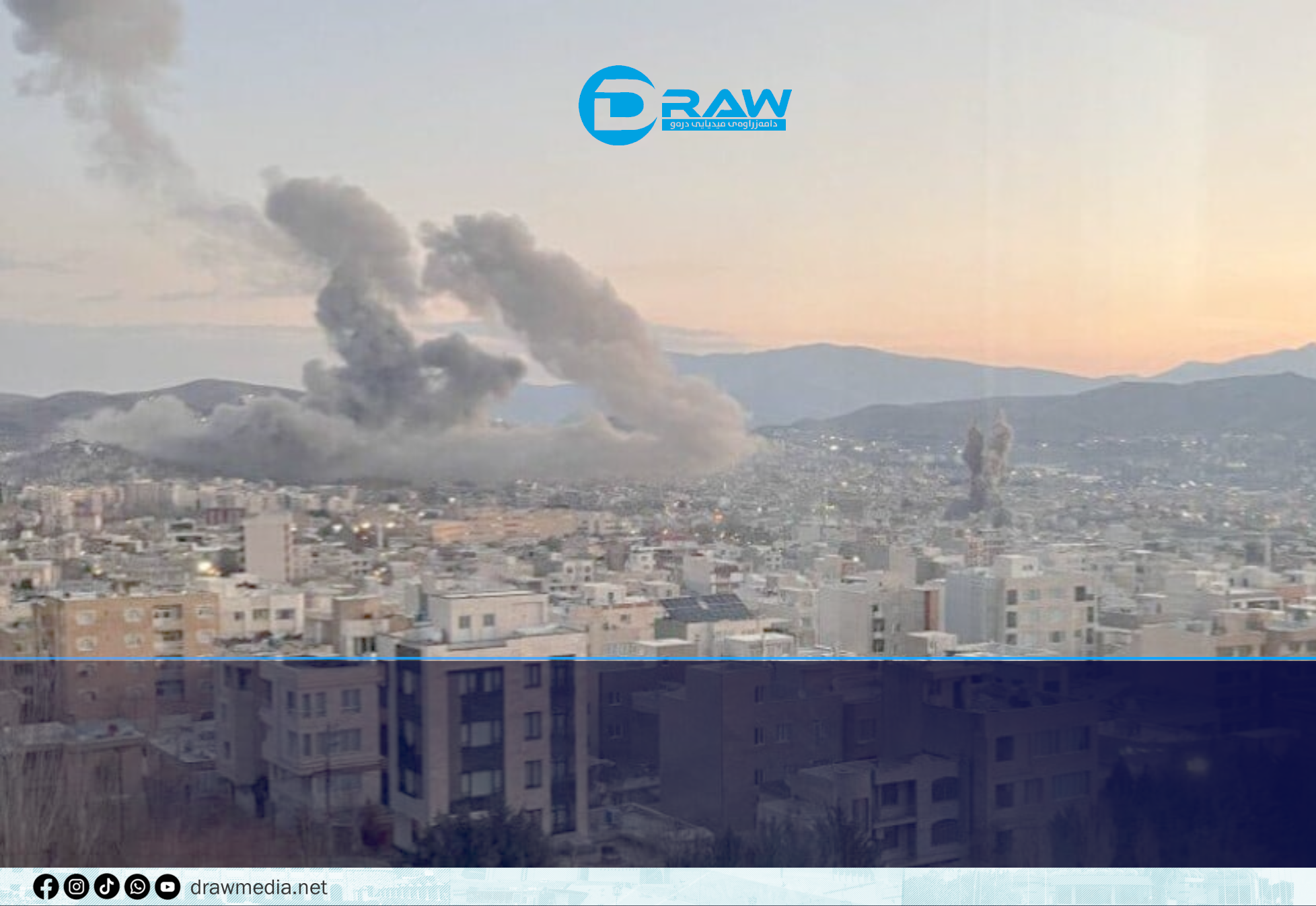
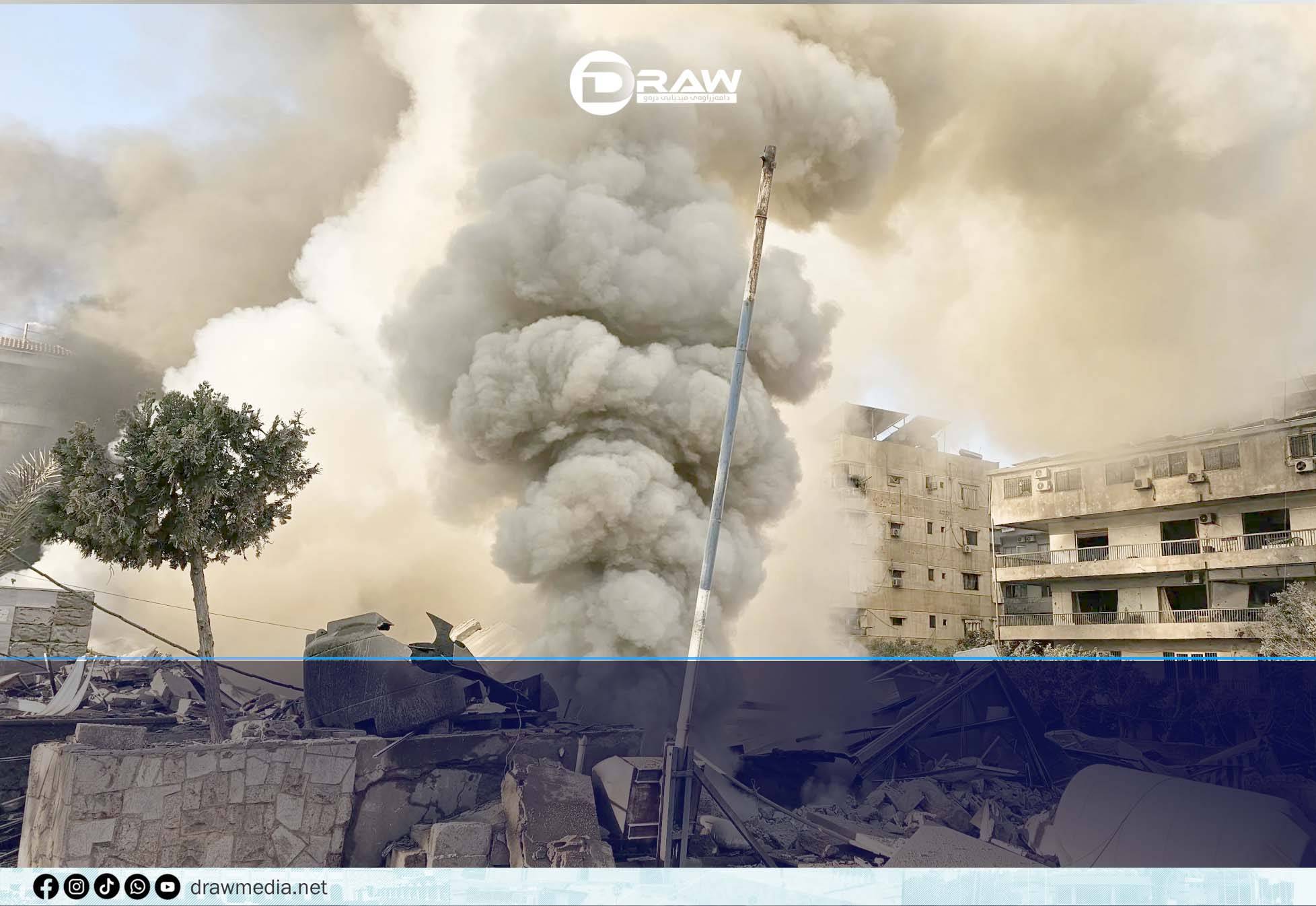
On the third day of the war between the United States, Israel, and the Islamic Republic of Iran, field monitoring and documentation by the Hengaw Organization for Human Rights indicate heavy losses among government forces, as well as a significant rise in civilian casualties.
According to Hengaw’s confirmed statistics, at least 1,500 people have been killed so far, including 200 civilians and 1,300 Iranian military personnel. These figures come amid widespread internet disruptions across Iran, with access to various cities severely restricted both day and night.
Distribution of Damage and Geographic Scope of the Attacks
Based on data from Hengaw’s documentation and statistics department, military and government centers in 150 cities across 22 Iranian provinces have been targeted by airstrikes and missile attacks. The targets reportedly include:
Islamic Revolutionary Guard Corps (IRGC) bases
Basij centers
Military airports
Missile sites
Police stations
Judicial centers
Intelligence headquarters
Army barracks
Special forces bases
According to the report, the highest military casualties have been recorded in the provinces of Tehran, Kermanshah, Urmia, and Sanandaj.
Targeting of Civilians
Hengaw expressed deep concern over the increasing number of civilian deaths, confirming that the highest number of civilian casualties is linked to Hormozgan province.
Documentation indicates that a significant portion of the victims were elementary school girls from Shajareh Taybeh School. In addition to Hormozgan, civilian deaths—including several children—have been reported in the provinces of Tehran, Razavi Khorasan, Qazvin, Alborz, Kermanshah, Kurdistan, Urmia, and East Azerbaijan.
Administrative and residential centers located near military and security facilities have also suffered severe damage and service disruptions due to the airstrikes.
This comes as the Islamic Republic has not initiated evacuation procedures for residential areas near military and security centers despite the wartime situation. Residents have been attempting to flee and relocate to relatively safer areas in a spontaneous and unorganized manner to protect their lives.
Concealment of Statistics and Contradictions in Official Reports
While the Iranian Red Crescent Society, on the third day of the war, announced a total of 555 casualties (without distinguishing between military and civilian deaths) in its official figures, Hengaw’s recorded data considers this number part of what it describes as a governmental policy of underreporting and concealment.
Field observations indicate that security authorities are refraining from publishing precise military casualty figures, particularly in Kurdish cities. In some limited cases, significantly lower numbers than the actual figures have reportedly been released.
Hengaw emphasized the necessity of transparency in publishing the identities of victims and protecting civilian lives in armed conflicts in accordance with international conventions.
The Hengaw Organization for Human Rights once again called on the international community to closely monitor civilian casualties and, by addressing alleged concealment policies of the Islamic Republic, compel all warring parties to take decisive measures to protect civilian lives.