Frzand Sherko
Political systems reveal their true strength only in times of crisis. As Henry Kissinger posits in his renowned thesis, "foreign policy is merely the extension of domestic stability." In other words, a state that lacks a stable internal order cannot act as a sovereign actor on the world stage. For the Kurdistan Region, this is not a theoretical abstraction; it is the primary condition for existential survival. In ordinary times, institutional weaknesses are often masked by political rhetoric and informal arrangements. However, when external pressure mounts, when a neighbor moves or a regional power recalibrates its strategic calculus, only the structures that were actually built remain standing. Everything else collapses.
The Roots of Balance
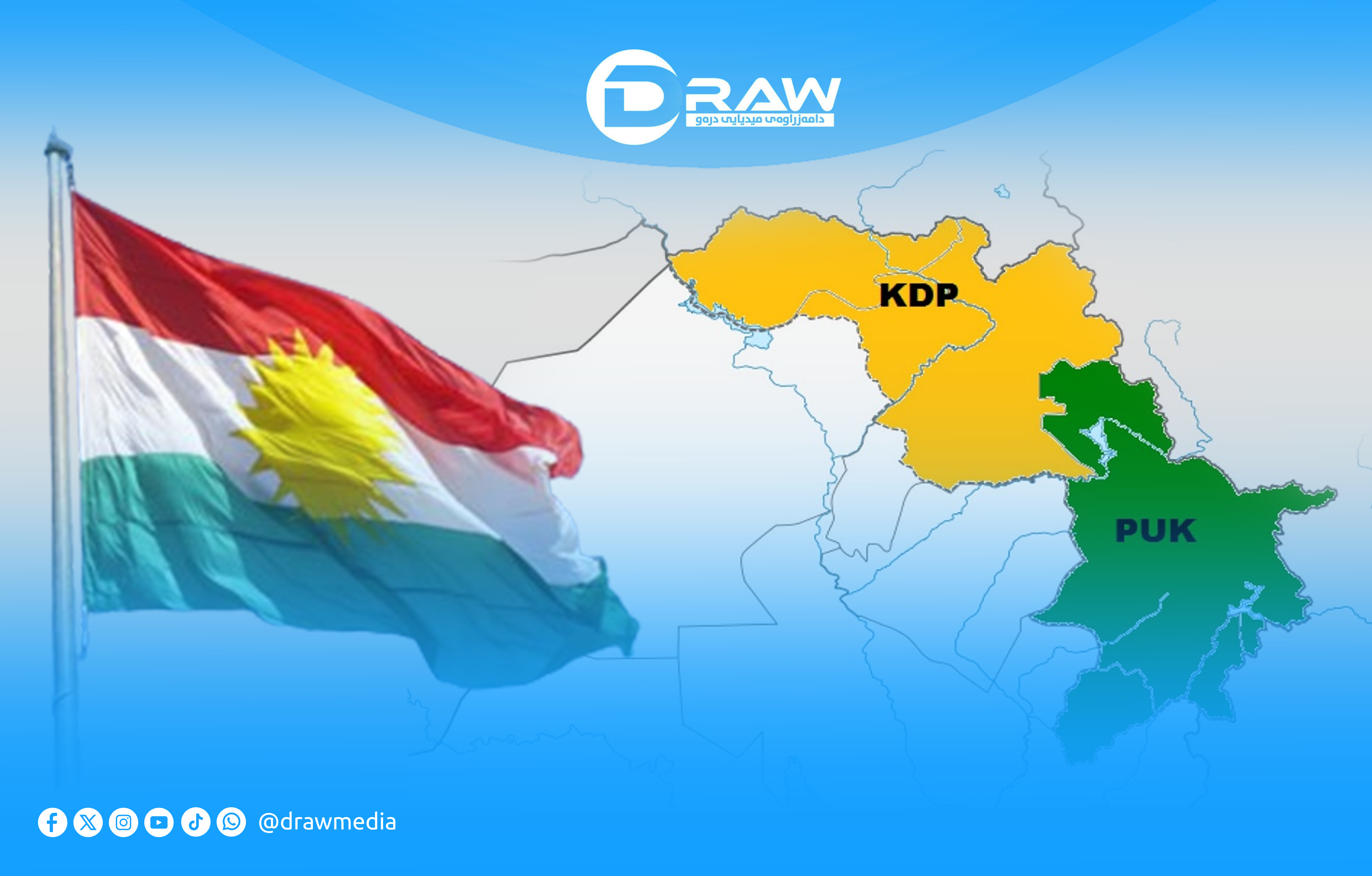
Modern Kurdish governance was built upon a tested infrastructure: the foundational recognition that neither major political force could eliminate the other without dealing a fatal blow to the Kurdish national project itself. Consequently, the formation and operational logic of the Kurdish Front in 1988 was a clear reflection of a commitment to the "Balance of Power." This front was established because all parties fully understood that the cost of turning disagreement into a war of elimination was simply too high to bear.
The subsequent "50-50" formula, while administratively costly and inefficient, served a vital strategic function: the prevention of monopoly. This balance was not a reward for party loyalty; it was a structural firewall against the partisan capture of national institutions. By distributing security and financial power between two poles, a form of "internal deterrence" was created, preventing any single side’s unilateralism from driving the entity toward a catastrophic precipice.
Deviation from the Balance
The crisis began when the language of "partnership" started to mask the practice of "imbalance." The 2007 Strategic Agreement, instead of expanding the collective power of both partners, gradually devolved into a terrain for competition and an attempt to absorb one side's influence into the other. Robert Strausz-Hupé described this dynamic with clinical precision: "An alliance in which a dominant power seeks to reduce its partner into a satellite is, in reality, a blueprint for its own internal decay."
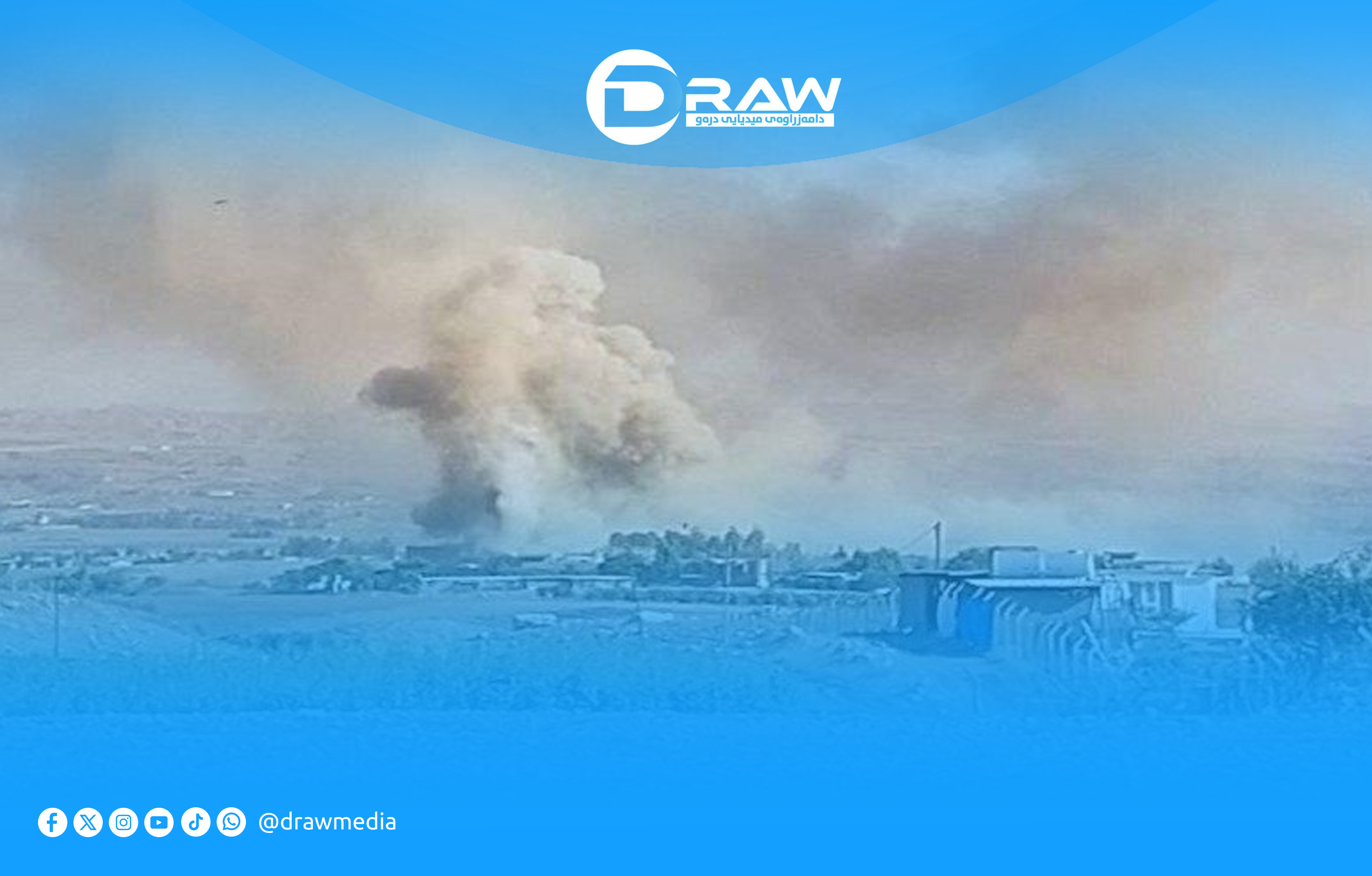
The cost of this strategic deviation has been immense. The breakdown of relations with Baghdad (the spark of the 2013 economic crisis), the grave gaps in strategic warning during the 2014 ISIS invasion, the 2017 catastrophe resulting in the loss of 51% of Kurdish territory, and the near-entanglement of the Region in regional wars (with the PKK in 2018 and Iran in 2025)—all serve as evidence of a singular truth: When internal balance is lost, the entity becomes scorched earth in the face of external threats. In the case of the Kurdistan Region, regional adversaries merely exploited the fractures that had already formed due to the erosion of balance.
The 2026 Negotiations
Today, the Kurdistan Region stands at the same crossroads. Until recently, public discourse focused on which party would receive which ministry, but this is a false premise. The correct question is this: Will the next government restore the logic of institutional balance, or will it effectively deepen the practice of institutional capture?
As Stefan Possony notes, "True influence and legitimacy reside in the minds and hearts of the citizens." If financial, public, and security institutions are perceived as the private property of one side, public trust will vanish, and no amount of force will be able to defend the Region. The Kurdistan Region requires a balance strong enough to enforce cooperation between parties and protect national institutions from partisan monopoly. Once again, this is the first condition for survival.
Conclusion
The Kurds' allies must understand that they do not merely need "brave fighters" in times of war; they need a political entity capable of unified national decision-making. If the Kurdish leadership views the current crisis through the lens of Strategic Realism, they will realize that only the wisdom of the balance of power and institutional parity can safeguard Kurdistan.
If the Region remains an open arena for internal strife, regional powers will continue to treat Kurdish geography as a battlefield. However, if a governance system is built where no side can absorb the other, the Kurdistan Region will become the player its geography permits: not a victim of regional rivalries, but an indispensable bridge of influence and leverage that no adversary can afford to marginalize.