Rugash Jabari - Middle East Forum Observer
Washington Must Not Tolerate Countries Imprisoning People for the ‘Crime’ of Talking with U.S. OfficialsWhy Does the State Department Accept that the Iraqi Kurdish Regional Government Imprisons Journalists?
Five and a half years ago, the Kurdistan Regional Government arrested my husband, Sherwan Sherwani. His crime? Being a journalist who met with the U.S. Consul General in Erbil. Since then, our four children have not had a father. My children need Sherwan. I need my husband. And above all, my husband needs justice.
I write this plea to American policymakers in Washington because the United States knows the Kurdistan Region of Iraq well. America helped shape post-2003 Iraq with the promise of democracy, rule of law, human rights, and accountable governance. My husband believed in that promise. After the fall of Iraqi dictator Saddam Hussein, Sherwan became a journalist because he believed that a free press could help build a democratic Kurdistan. Then Masrour Barzani’s government arrested him on charges that he met the U.S. and German Consulate Generals in Erbil.
Sherwan reported on corruption, abuse of power, secret detention sites, and human rights violations. He believed journalism should serve society, not powerful men. But in the Kurdistan Region, especially in Duhok and Erbil, local authorities treat independent journalism as a crime.
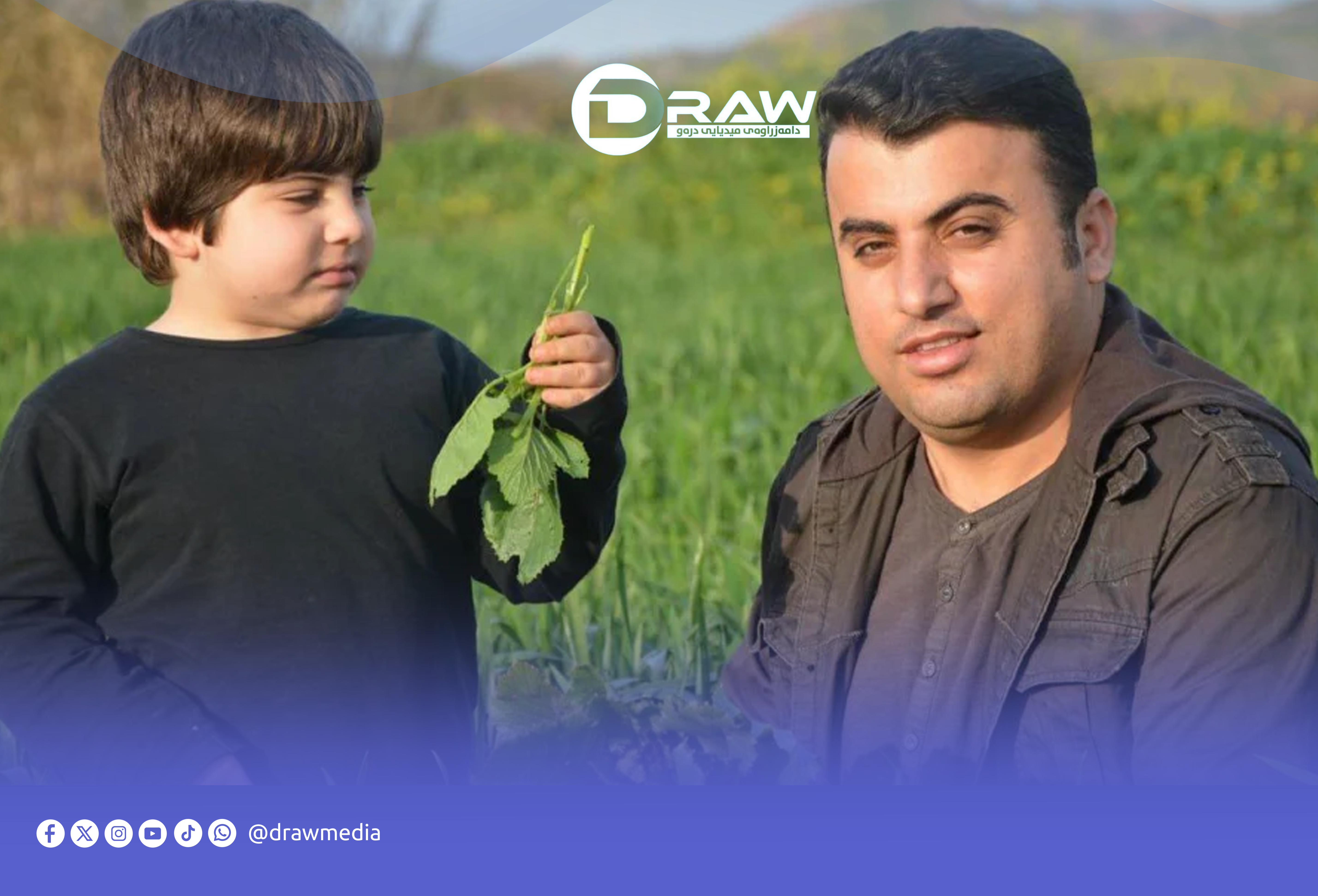
Journalist Sherwan Sherwani.
Family photo.
On October 7, 2020, that reality entered our home. At around 4:30 p.m., Barzani’s Kurdistan Democratic Party’s Asayish and police stormed our house. Around 20 men came, accompanied by people who claimed to be from the court. Six military vehicles surrounded our home. Two of my children were asleep. Two were awake. My eldest child was only 11 years old.
Sherwan ran to the roof, but they arrested him. In front of our children, they pointed guns at his head. They handcuffed him, seized his belongings, and took him away. It was terrifying. My son is now 17, but the trauma of that day remains alive inside him. My daughter was only two years old when her father was taken. She is now seven.
Sherwan received a six-year sentence in 2021 for endangering regional security. He denied the charges. The evidence against him was weak and political. The crux of the case was that my husband met U.S. diplomats openly at the consulate—a privilege the Barzanis reserve for themselves and their hand-picked functionaries. Before that trial, senior political figures had already publicly accused detained journalists and activists of being spies. That the State Department allows such calumny to continue signals to every Iraqi and Kurd that meeting American officials could be a death sentence. That America has channeled millions, if not billions, of dollars to the families ordering dissident arrests adds insult to injury.
Public and international pressure led to a reduction in his sentence. Then, in July 2023, the court convicted him of fraudulently signing a document related to a petition signed inside prison. The person whose name was involved, however, had confirmed to the court that Sherwan had his permission to add his name. Still, we believed last August that he finally might come home. Then, without warning, the court added another four years and five months to the sentence.
This time, the allegation was that he had threatened a prison official. The case relied on contradictory testimony. Two witnesses who were present said they did not hear Sherwan threaten anyone. Other witnesses were prison guards connected to the complainant. Sherwan asked for CCTV footage, but the court was told the cameras were not working at the relevant time. Fourteen British lawmakers called for Sherwan’s freedom following the new sentence.
The court’s subsequent sentencing of Sherwan exceed the maximum allowed under the law the court cited. The court then limited defense access to documents and refused his lawyers’ ability to challenge evidence. The Kurdish authorities prevented observers, family members, diplomats, and civil society representatives from entering the courtroom. Armed and plainclothes security forces filled the courthouse. Outside, security forces attacked people who had gathered peacefully.
Journalist Sherwan Sherwani and his family in a family photo.
The White House and State Department should understand what this case represents. Sherwan is not only one journalist; he is a symbol of what happens when a U.S.-backed regional government uses courts, prisons, and security forces to silence peaceful criticism. His imprisonment damages the Kurdistan Region’s reputation, weakens trust in its institutions, and sends a message to every journalist: investigate corruption and your family may pay the price. The American taxpayers are also victims, since much of the embezzled funds and kickbacks involve U.S. government support and contracts.
Today, Sherwan is again being denied his basic rights inside prison. Under the law, prisoners should be allowed family leave for one week every three months. Sherwan has been deprived of this right. Because of this injustice, he began a hunger strike on Kurdish Journalism Day, April 22, 2026. His health and life are now in the hands of the authorities.
I ask American policymakers: please, do not look away.
The United States has influence in Erbil. U.S. officials meet Kurdish leaders. They provide political recognition, security cooperation, diplomatic support, and legitimacy. That influence should not be silent when a journalist is imprisoned repeatedly.
I ask Washington to urge Prime Minister Masrour Barzani and the Kurdistan Regional Government to release Sherwan Sherwani immediately and unconditionally. I ask U.S. officials to raise his case publicly and privately in every meeting with Kurdistan Regional Government leaders. I ask members of Congress, the State Department, and the U.S. Embassy to make clear that partnership with America must include respect for press freedom, judicial independence, and human dignity. Sherwan’s case represents why, a decade ago, Congress passed the Global Magnitsky Act.
Do not let my husband die slowly behind prison walls because he practiced journalism and engaged with U.S. diplomats. Do not abandon the promise of democracy in Kurdistan. I am not asking for privilege. I am asking for justice.
Bring Sherwan home.