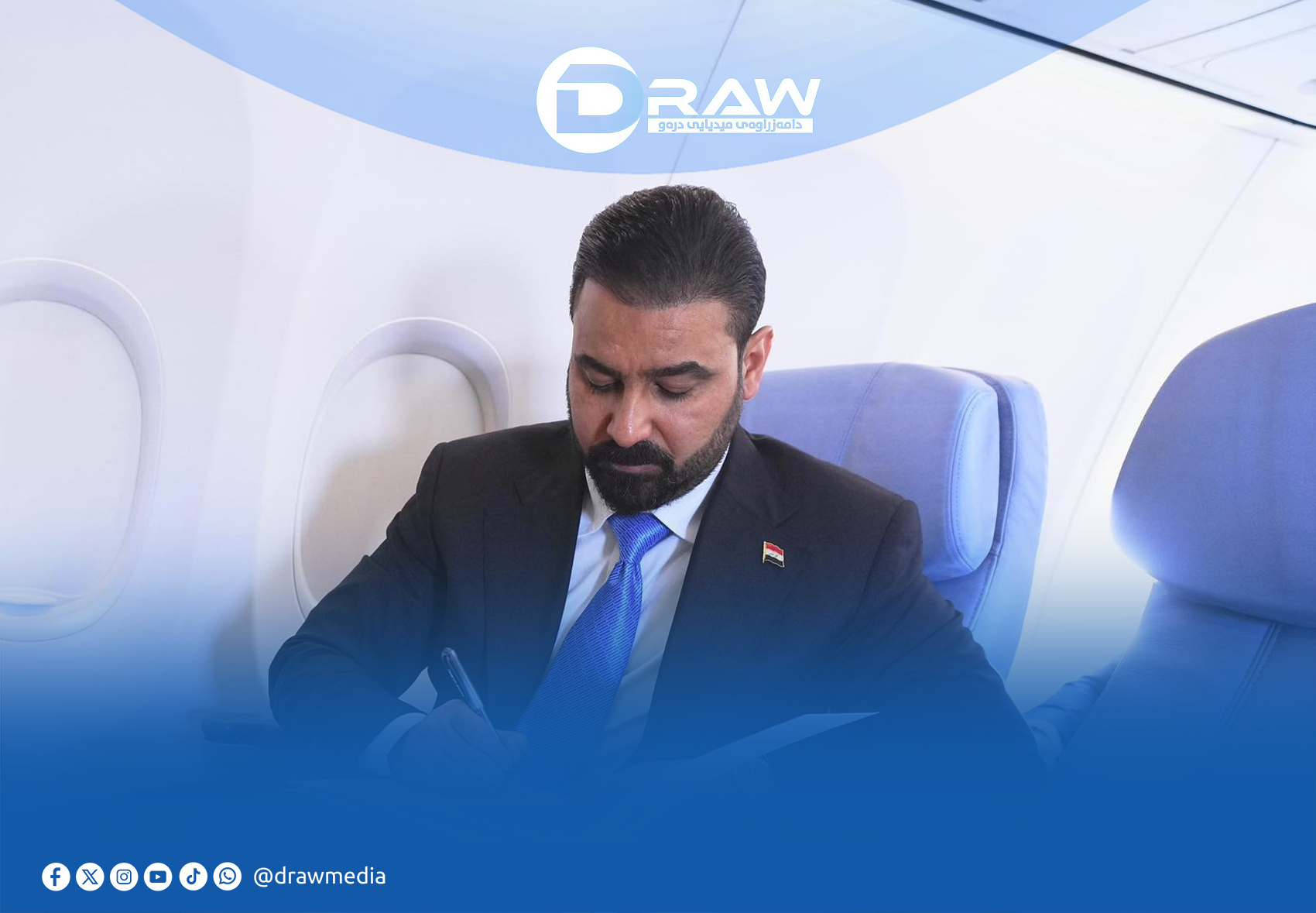
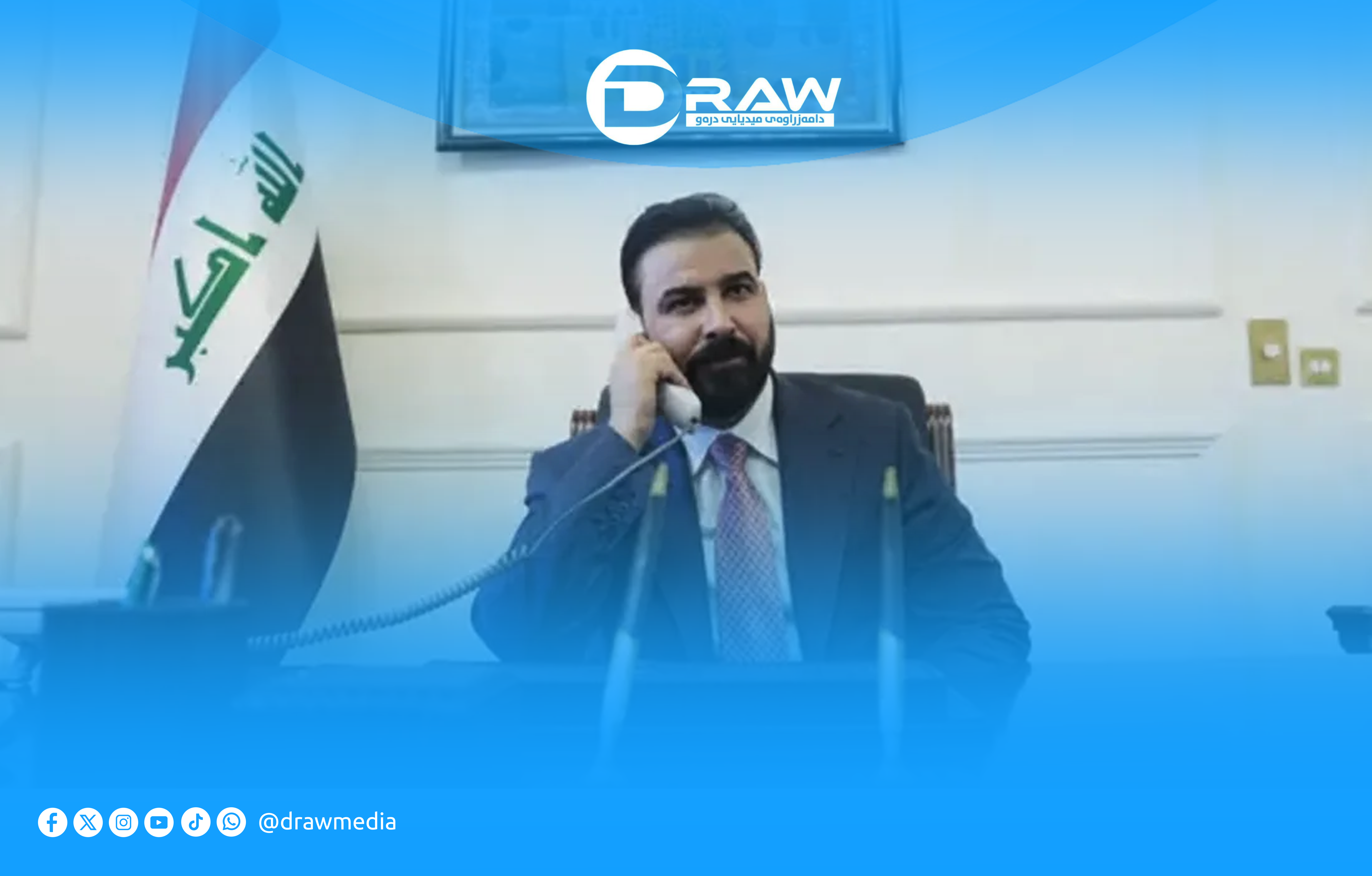
The United States quickly signaled support. Donald Trump congratulated al-Zaidi and invited him to visit Washington, highlighting expectations for stronger cooperation and a more stable Iraq. Al-Zaidi’s connections with American circles go back to 2024, when Denis Edward Flannery backed his role at Al-Janoub Bank, a step that helped raise his profile internationally.
At the same time, al-Zaidi maintains working ties with Iran through trade channels, particularly in supplying food goods to Iraqi state institutions via private sector links. This dual relationship places him in a sensitive position, balancing two rival powers with competing interests inside Iraq.
Despite this advantage, the new government faces serious challenges. These include managing economic pressure, restoring disrupted oil exports through the Strait of Hormuz, and preventing Iraq from being pulled deeper into regional conflict. Armed groups operating outside full state control remain a central issue, especially as international partners push for stronger state authority.
Additional obstacles include rebuilding trust with neighboring countries, addressing internal political disputes, and resolving long-standing issues with Kurdish and Sunni communities. These include public salaries, resource sharing, disputed territories, and the return of displaced populations.
Observers believe al-Zaidi’s success will depend on his ability to carefully balance internal political pressures with external expectations. If he can reduce tensions, strengthen institutions, and maintain neutrality between Washington and Tehran, he may stabilize the country. If not, Iraq risks remaining caught in ongoing regional rivalry and internal fragmentation.