Economist Nabil Al-Marsoumi has warned that Iraq may be heading toward a series of difficult economic reforms as the government faces mounting financial pressures, declining foreign currency reserves, and limited policy options. According to Al-Marsoumi, the reform package proposed by Prime Minister Ali Al-Zaidi could include ending fuel subsidies, reducing government spending, cutting public-sector salaries, abolishing the food-ration card program, scaling back social welfare benefits, and potentially floating the Iraqi dinar.
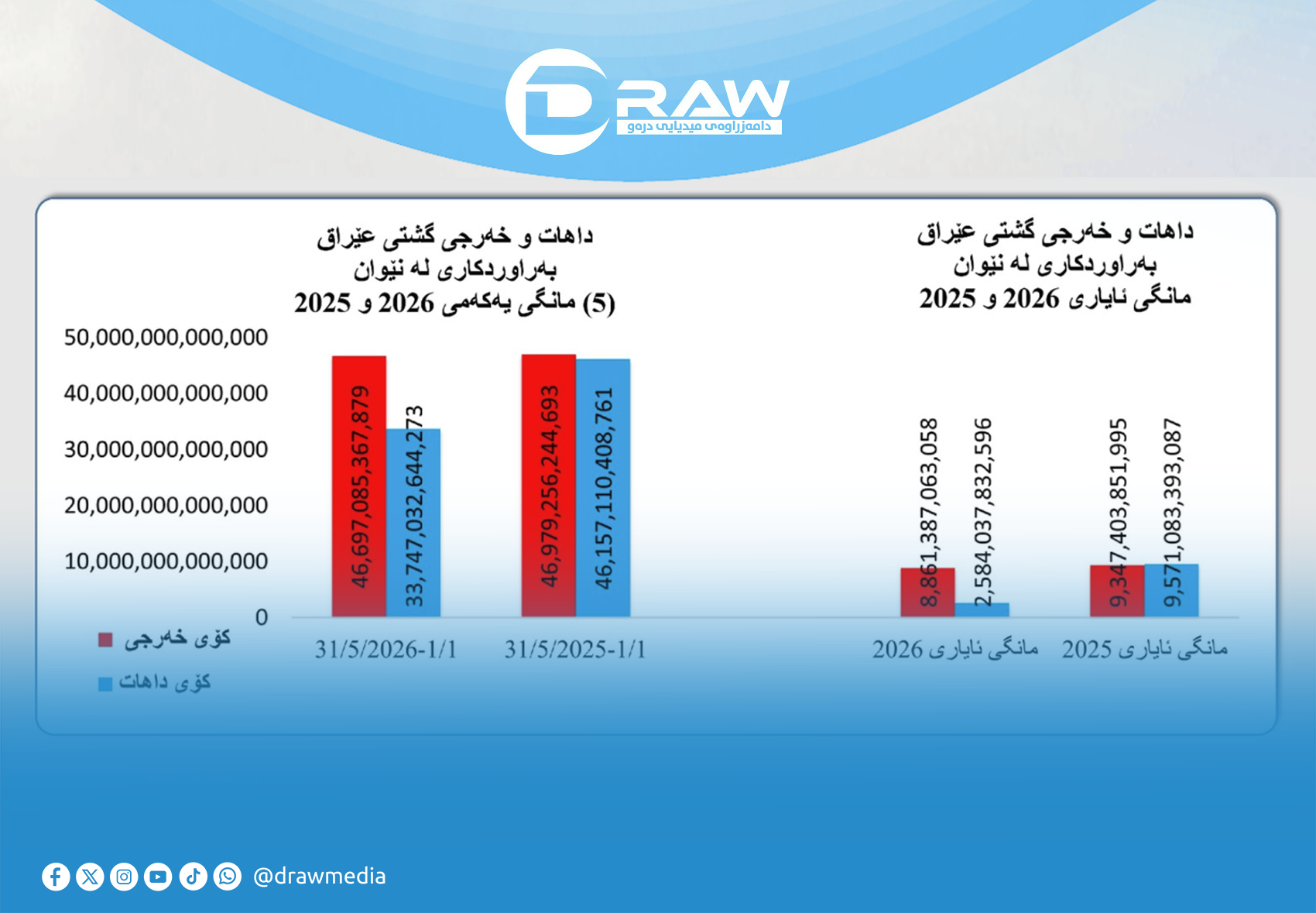
Al-Marsoumi noted that Iraq’s foreign currency reserves declined by 10 trillion dinars between February and mid-May, while the money supply increased by 8 trillion dinars to reach 113 trillion dinars. He said these developments have significantly narrowed the government’s economic choices.
Speaking in a television interview, Al-Marsoumi challenged official claims that inflation has been brought under control. He argued that rising prices across consumer goods, automobiles, and other products tell a different story, particularly after the closure of the Strait of Hormuz, which he said contributed to additional price increases. In his view, official inflation figures do not fully reflect the economic reality experienced by Iraqi citizens.
He also warned against reducing the value of the Iraqi dinar against the U.S. dollar, describing such a move as poorly timed given Iraq’s economic slowdown and the near paralysis of the private and productive sectors. Al-Marsoumi stressed that major economic decisions should be taken through broad political consensus rather than by the government alone.
The economist expressed concern over proposals to privatize state-owned assets, citing Russia’s experience in the 1990s as a cautionary example. He argued that privatization in an environment affected by corruption could result in public assets being sold below their true value, leading to losses for the state and wider social consequences.
According to Al-Marsoumi, the sale of government assets could also increase unemployment by affecting workers in state-owned institutions and could undermine social stability. He added that Iraq’s lack of a sovereign wealth fund may force the government to rely more heavily on cash reserves.
Al-Marsoumi concluded that while economic reforms may be unavoidable, measures such as subsidy removal, salary cuts, food-ration abolition, welfare reductions, privatization, and possible currency devaluation could carry significant economic and social risks if not carefully managed.