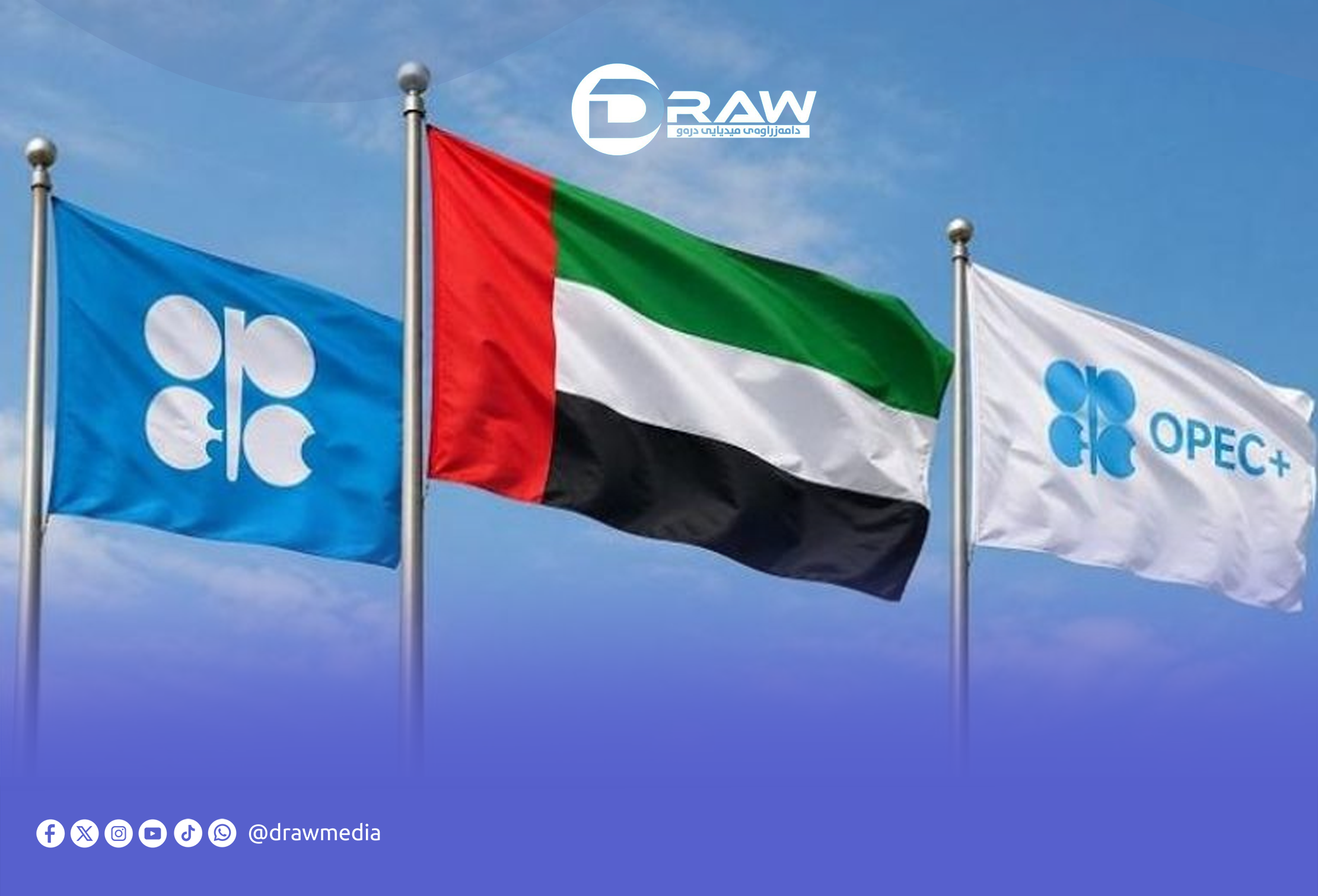
The withdrawal of the United Arab Emirates from the OPEC marks a major shift in global energy dynamics, ending nearly six decades of cooperation. As of May 1, 2026, the UAE is no longer part of the group or its broader alliance, OPEC+. This move removes a significant producer from the organization, reducing its overall production capacity by about 13%, or roughly 9% when considering OPEC+ as a whole.
At the core of this decision lies a long-standing disagreement over production quotas. While OPEC aims to regulate supply to stabilize prices, the UAE has invested heavily in expanding its oil output capacity, reaching nearly 4.8 million barrels per day. However, its assigned quota remained much lower, around 3.2 million barrels per day. This gap created persistent friction, as the UAE viewed the restrictions as limiting its economic potential and undermining returns on major investments.
Beyond economic concerns, geopolitical factors also played a role. Regional tensions, particularly involving the Strait of Hormuz, have affected the UAE’s ability to export oil efficiently. At the same time, shifting security priorities pushed the country to strengthen ties with the United States rather than rely on coordination within OPEC. These dynamics contributed to a broader reassessment of its strategic position.
In the short term, the impact of the UAE’s exit on global oil prices is expected to be limited. Export constraints and ongoing geopolitical uncertainties continue to influence supply flows more strongly than organizational changes. However, the longer-term implications could be far more significant. Once logistical and political barriers ease, the UAE may increase production substantially, potentially adding large volumes of oil to global markets.
Such a scenario could weaken OPEC’s traditional ability to manage supply, particularly for leading members like Saudi Arabia. If other producers respond by boosting their own output, the market could face oversupply, increasing the likelihood of price competition. In extreme cases, oil prices could drop sharply, affecting revenues for both OPEC members and independent producers.
The UAE’s move may also influence other countries. Nations such as Venezuela or Nigeria could reconsider their positions if they see greater advantage in maximizing production rather than adhering to collective limits. This raises concerns about the long-term cohesion of OPEC and its ability to coordinate effectively.
At the same time, the decision reflects a broader transformation in the UAE’s energy strategy. The country is diversifying beyond oil by investing in renewable energy, nuclear power, and liquefied natural gas. Its national company is evolving into a global energy player, signaling a shift toward a more flexible and diversified economic model.
Overall, the UAE’s withdrawal highlights a transition from collective control toward more independent, competitive approaches in the energy sector.