Draw Media
Analysis by: Hemen Khoshnaw
Following the Kurdistan Workers' Party's (PKK) announcement of its dissolution in the spring of 2025, the Turkish government and the ruling Justice and Development Party (AK Party) have insisted that PKK guerrilla forces must first lay down their arms.
On the other hand, Abdullah Öcalan, the PKK leadership in Qandil, and the Peoples' Equality and Democracy Party (DEM Party) argue that guerrilla disarmament should only take place after the Turkish Parliament passes the necessary legal framework.
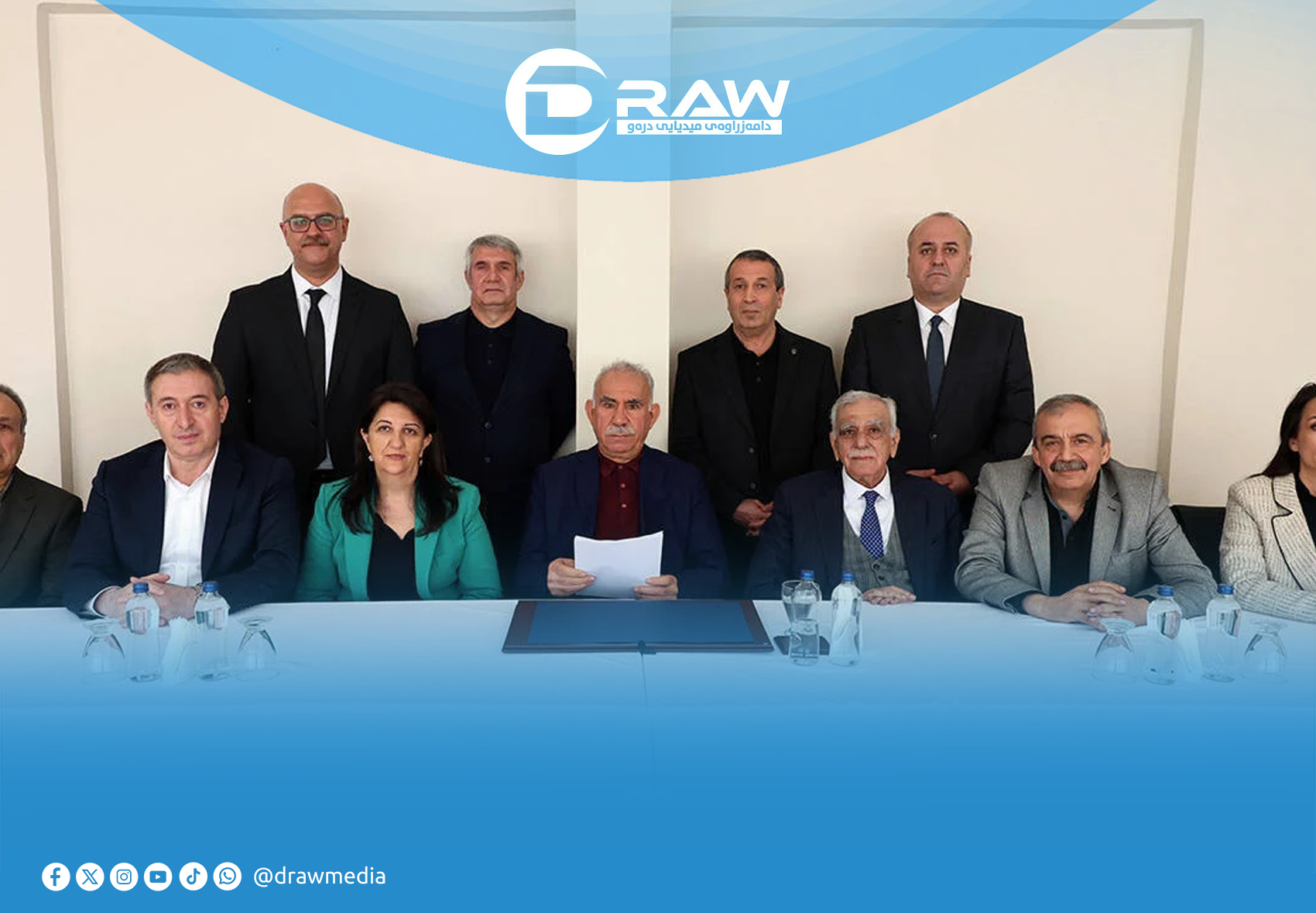
According to leaked records of the İmralı Island negotiations between PKK leader Abdullah Öcalan, the İmralı delegation—consisting of Pervin Buldan, Mithat Sancar, and lawyer Özgür Faik Erol—and Turkey's National Intelligence Organization (MIT), the legal phase of the peace process was scheduled to begin in the Turkish Parliament in May 2026.
However, that stage has not yet started. Neither the Turkish government nor AK Party officials have submitted the draft legislation to Parliament. Moreover, as of the writing of this report, the İmralı delegation has not been allowed to visit Öcalan for 44 days, indicating that significant obstacles remain in advancing the peace process.
Turkey Has a New Condition!
According to information we have obtained, Turkey has linked the start of the legalization phase of the peace process to the withdrawal of the Kurdistan Workers' Party (PKK) guerrillas from the Khwakurk and Gara regions.
Turkey has requested that, before taking any legal steps regarding the peace process, PKK guerrillas must first withdraw from both Gara and Khwakurk. Once the withdrawal from these two areas is completed, the government plans to submit its draft law on legalizing the peace process to parliament during the coming autumn months.
In response to this condition, Qandil and the DEM Party have insisted that the draft law should instead be sent to parliament in July 2026. This disagreement has effectively stalled the process for the past two months and delayed a planned meeting between Abdullah Öcalan and the İmralı delegation.
Meanwhile, Turkey's nationalist newspaper Nefes, which opposes both the government and the peace process, reported in its July 3, 2026 edition that PKK guerrillas had withdrawn from Siyanê in Gara and from Bahar Hill. However, the report is unlikely to be accurate, as neither pro-government (AKP) media nor PKK-affiliated media have confirmed it. Furthermore, the newspaper claimed the withdrawal occurred from Bahar Hill, even though Bahar Hill is not located in Gara but belongs to the Zap region, from which guerrillas had already withdrawn during the summer of 2025.
Turkey's New Proposal
After Qandil refused to withdraw from the areas designated by Turkey, Ankara presented another proposal.
According to available information, Turkey has shown flexibility by agreeing to send the draft law on legalizing the peace process to the Speaker of Parliament. Simultaneously, it wants the guerrillas to begin withdrawing from the two designated regions.
Once the withdrawal is completed, the parliamentary presidency would distribute the draft to political blocs in parliament, officially launching the legislative process.
Although Qandil has not formally approved this proposal, it has not rejected it either. According to my source, indirect negotiations between the two sides over the proposal are currently ongoing.
What Are Qandil's Conditions?
The disagreements between the two sides are not limited to the legal phase of the peace process or PKK disarmament.
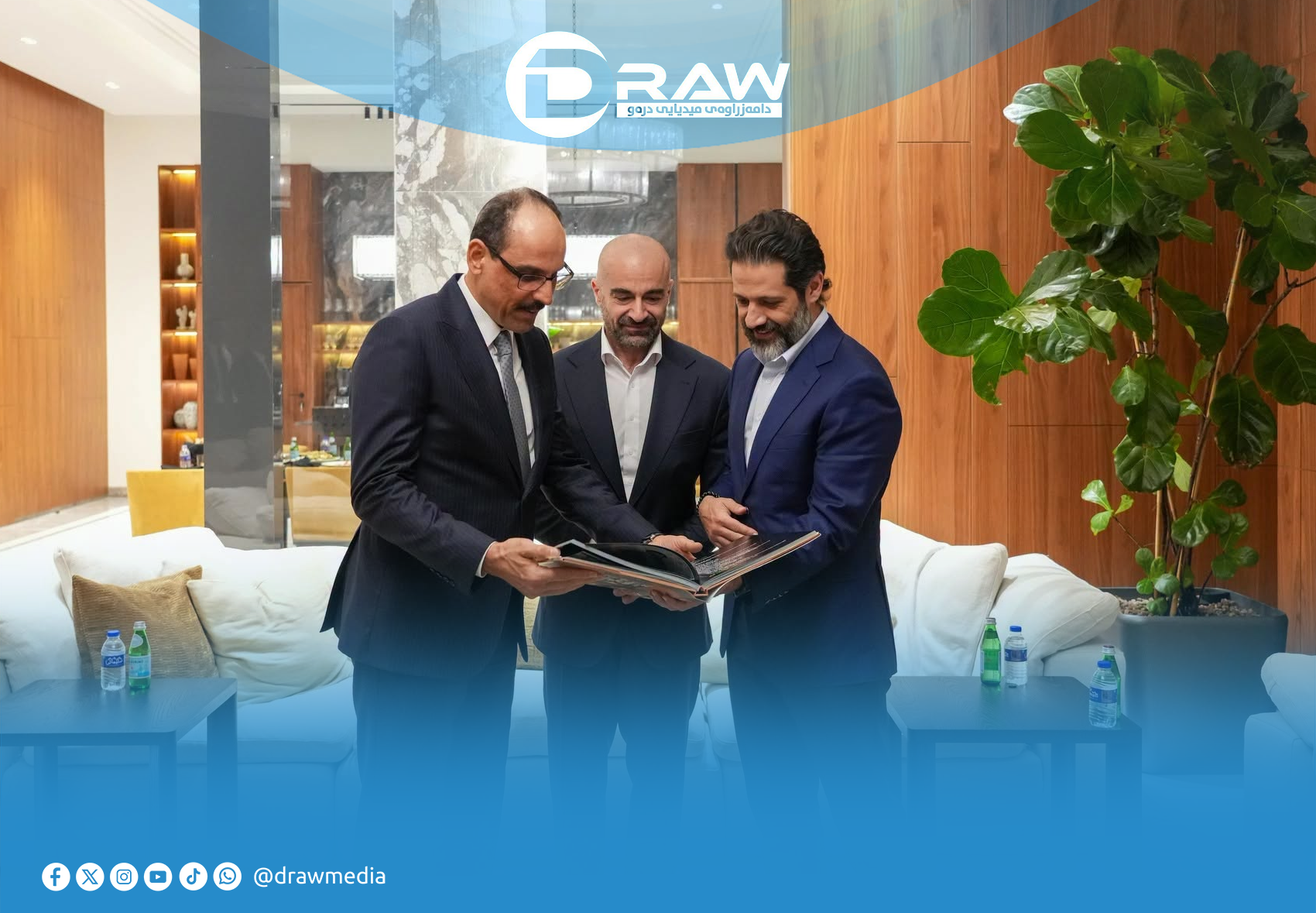
The latest meeting between Abdullah Öcalan and the İmralı delegation took place on May 24, 2026. According to available information, Turkish Foreign Minister Hakan Fidan and National Intelligence Organization (MIT) chief İbrahim Kalın attended the delegation's latest meeting with Öcalan, during which intense discussions reportedly took place.
During an earlier meeting in April 2026, Öcalan submitted a seven-point memorandum to the Turkish state concerning his legal status and his role in the peace process.
Despite more than 60 days having passed since that meeting, the Turkish government has yet to respond to Öcalan's memorandum.
Qandil has therefore insisted:
"Until the Turkish state officially responds to Öcalan's proposal, we will not take any steps. Without defining Öcalan's legal status, this process cannot move forward."
In addition, Qandil demands that before the government sends the peace legislation to parliament, it should first allow them to review the draft and provide their own opinions.
According to Qandil, legalizing the peace process should not be confined solely to disarmament and amnesty legislation, but should encompass all issues related to Kurdish rights in Turkey.
According to information leaked to Turkish media, the government's draft legislation distinguishes between senior PKK leaders, cadres, and ordinary guerrillas regarding disarmament and return to Turkey. Turkish media reports that approximately 300 senior PKK leaders would not be covered by the proposed amnesty or return provisions.
What Would the Withdrawal from Gara Mean for the Kurdistan Region?
Turkey's insistence that Qandil-affiliated forces withdraw, especially from Gara, is not solely about advancing the peace process according to Ankara's preferences.
Behind this demand lies another strategic objective: allowing Turkish forces to move into and permanently occupy areas vacated by the PKK.
This mirrors what happened in 2025, when guerrillas withdrew from Zap and Avaşin, after which Turkish forces established control over those territories.
Unlike other border regions, Gara Mountain lies deep within the Badinan area of the Kurdistan Region rather than directly along the Turkish border.
Should Turkish forces establish a lasting presence in Gara after a guerrilla withdrawal, it could pose a major strategic threat to the Kurdistan Region.
At its simplest level, Turkey could use its military presence there as leverage not only against the Kurdistan Regional Government but also against Baghdad.
What Would the Withdrawal from Gara Mean for Qandil?
Since 2018, Turkey has gradually expanded its military presence inside the Kurdistan Region by establishing more military bases and outposts each year.
Qandil's leadership has interpreted this expansion as preparation for implementing a strategy similar to Sri Lanka's campaign against the Tamil Tigers, in which the Sri Lankan government gradually confined the insurgency to a narrow geographical area before ultimately destroying it.
For that reason, since 2018, Qandil has dispersed its forces much deeper throughout the Kurdistan Region rather than concentrating them only in Qandil and the Badinan area.
Turkey's current insistence that guerrillas withdraw from additional regions toward Qandil is viewed through the same strategic lens.
This concern is reinforced by repeated statements from Qandil leaders expressing deep distrust toward Turkey and skepticism regarding Ankara's intentions for the peace process launched at the end of 2024.
Should all guerrilla forces ultimately retreat into Qandil, Turkey's advanced military technology could create conditions similar to those that enabled the defeat of the Tamil Tigers.
Is There a Risk That the Peace Process Could Collapse?
Compared with previous peace initiatives in Turkey, the process launched in 2024 has already overcome most of its domestic obstacles.
It appears that the majority of influential factions within the Turkish state now support its success.
Likewise, domestic opponents of the process have become weaker, with their opposition largely limited to media criticism.
Externally, however, several threats remain.
Israel does not appear to favor the success of the process. Nevertheless, Öcalan's anti-Israel position and Qandil's distrust of Israel have significantly reduced Israel's ability to influence events.
The greatest remaining concern is Iran.
Following Iran's conflict with the United States and Israel, Turkey's regional influence is expected to expand. Areas previously under Iranian influence are gradually shifting toward Turkey's sphere of influence.
Viewed from this perspective, Iran has strong reasons to oppose the peace process and may attempt to undermine it.
Öcalan has repeatedly highlighted the potential danger posed by Iran during his meetings.
If the peace process drags on without reaching a conclusion, and if Iran reaches an agreement with the United States while strengthening its control over the Strait of Hormuz, it is entirely possible that Tehran could actively seek to derail the process.
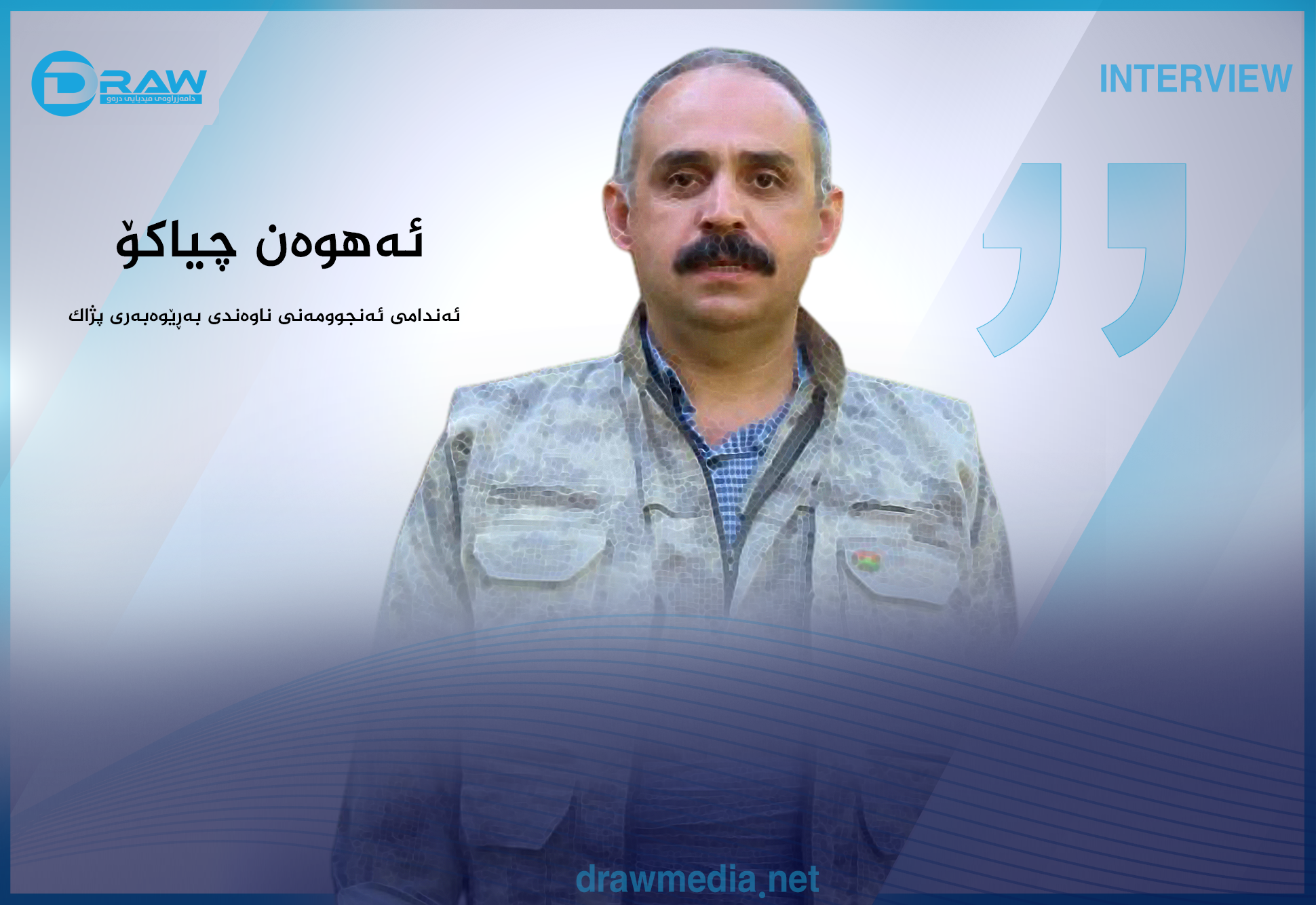
Iran's most important instrument in this regard would be the Free Life Party of Kurdistan (PJAK).
Should an uncontrolled conflict erupt between Iran and PJAK—a possibility that appears greater now than at any previous time—Qandil would be forced to mobilize its forces and place them on high alert.
Such a development would disrupt Turkey's plans, complicate implementation of Ankara's strategy, prolong the peace process, and create new opportunities for the process to fail in different ways and in different locations.
It is therefore not impossible that the recent Iranian military strikes against PJAK positions inside Eastern Kurdistan, which resulted in the deaths of several guerrillas, were an early sign of preparations for such a scenario.