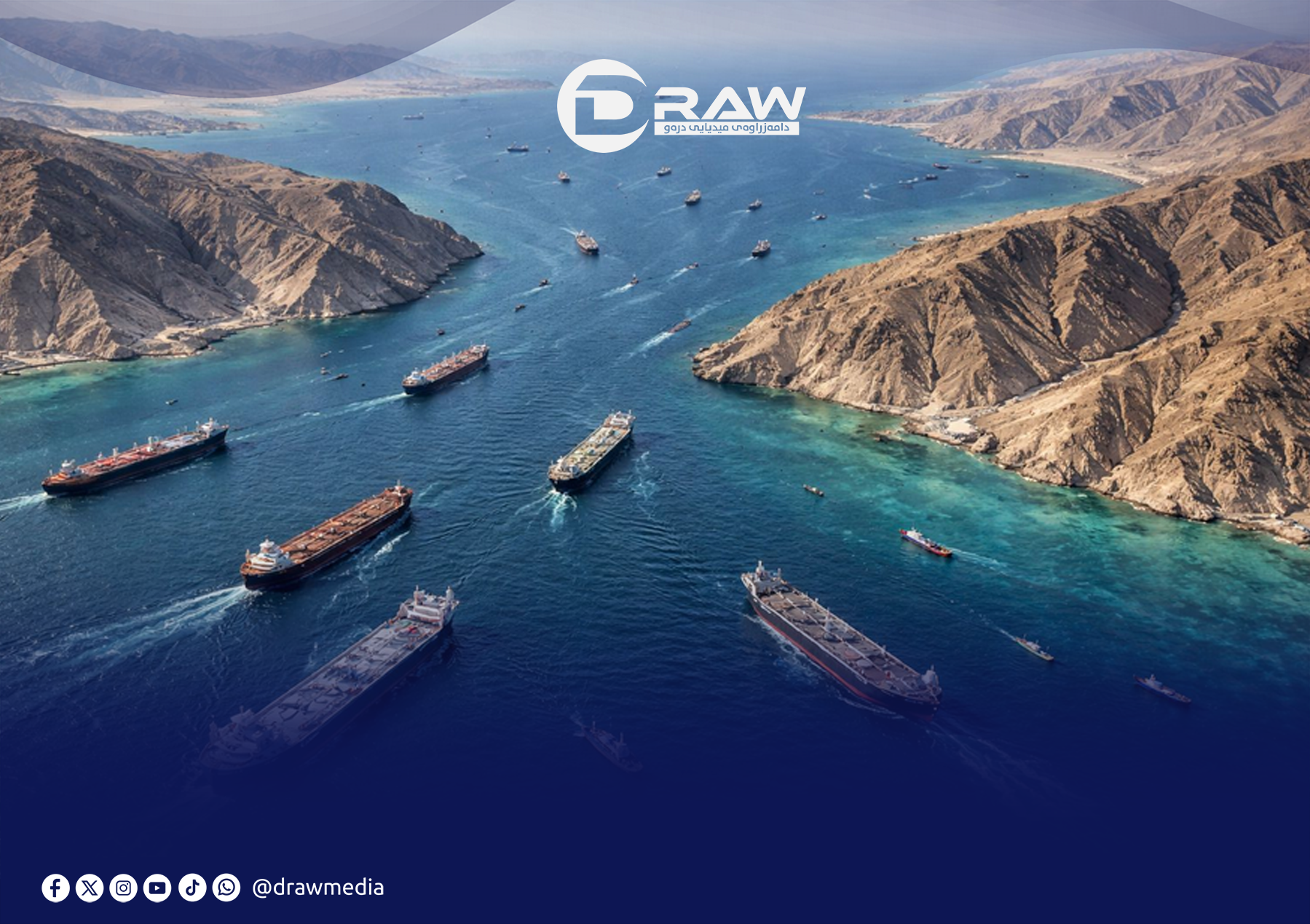
On March 24, Iran turned this question from theory into reality by announcing tolls of up to $2 million on some vessels in exchange for allowing passage—an unprecedented and potentially dangerous step in global maritime navigation.
This development raises two core legal questions:
Is Iran legally entitled to impose such tolls, similar to those charged in international canals like the Suez Canal or the Panama Canal?
Or is the Strait of Hormuz an international strait where no state can impose sovereignty measures like tolls or restrictions?
Iran implicitly relies on the logic used in artificial canals, where operating states collect fees for services. However, there is a fundamental difference: Hormuz is a natural strait, and under the United Nations Convention on the Law of the Sea, it falls under the regime of “transit passage,” which guarantees free navigation without prior permission or mandatory tolls. Artificial canals, by contrast, fall fully under national sovereignty.
The situation is further complicated because Iran has signed UNCLOS but has not ratified it, leaving room for conflicting interpretations about whether it is bound by its provisions.
Legal Framework: Straits vs. Canals
A key legal distinction must be made:
International straits: Natural waterways used for global navigation connecting two larger bodies of water.
Canals: Artificial waterways within a single state's territory, where that state has the right to regulate passage and impose fees.
Canals operate under specific international agreements balancing sovereignty and navigation rights. Straits, however, are governed by international maritime law principles.
Transit Passage Under International Law
One of the major achievements of UNCLOS is the concept of “transit passage,” which balances:
Freedom of navigation (in international waters)
Innocent passage (within territorial waters)
Transit passage allows ships and aircraft to move continuously and expeditiously through straits without interference. Crucially:
It cannot be suspended
States cannot impose tolls
Coastal states must not hinder passage
Does Transit Passage Apply to Hormuz?
Geographically and legally, the Strait of Hormuz clearly qualifies as an international strait, connecting the Persian Gulf to the open ocean.
However:
Iran and the United States have signed but not ratified UNCLOS
Iran has explicitly rejected parts of it, including transit passage
Iran instead applies “innocent passage” under older conventions
In 1993, Iran passed domestic legislation asserting control over its territorial waters, including parts of the strait, claiming the right to regulate passage and impose conditions—including potential tolls.
The U.S. and Gulf States’ Position
The United States and Gulf countries (Saudi Arabia, UAE, Oman, Kuwait, Bahrain, Qatar) argue that:
Iran’s actions violate international maritime law
Closing the strait or targeting ships is illegal
Imposing tolls contradicts the principle of free transit passage
They also invoke the Caroline Test, which allows anticipatory self-defense if a threat is imminent and overwhelming.
Military Control as Legal Enforcement?
One proposed scenario is limited military control over key نقاط like Kharg Island (a major Iranian oil export hub inside the strait). Proponents argue this would:
Not constitute occupation
Serve as a precautionary measure
Restore lawful navigation conditions
Such actions are framed as enforcing international law, not violating sovereignty—especially if authorized by the UN Security Council.The issue remains legally complex and unresolved. In summary:
Iran’s argument: Sovereignty + non-ratification of UNCLOS → right to regulate and charge tolls
Opposing view: Strait of Hormuz is an international strait → no tolls, no restrictions allowed
Ultimately, the dispute lies in a “gray zone” of international law, where legal principles intersect with geopolitical interests.